Dreaming about waking up near Biscayne Bay, walking to a marina, or spending weekends on the water without leaving your neighborhood? Coconut Grove makes that lifestyle feel real, but waterfront living here comes with more than pretty views. If you are thinking about buying in the Grove, this guide will help you understand the boating network, the day-to-day waterfront experience, and the practical details that matter before you make a move. Let’s dive in.
Why Coconut Grove Stands Out
Coconut Grove is Miami’s oldest neighborhood, with city records tracing its origins to 1873. City planning materials describe it as a place known for historic legacy, architectural variety, walkable character, and strong access to the water. That combination gives the Grove a different feel from many other waterfront areas in Miami-Dade.
The waterfront itself plays a central role in neighborhood life. The City of Miami’s Coconut Grove Waterfront and Spoil Islands Master Plan identifies the shoreline from Dinner Key to Kennedy Park as the waterfront heart of Coconut Grove. In everyday terms, that means the bay is not just a backdrop here. It shapes how you move, relax, and spend your time.
Biscayne Bay Shapes Daily Life
Biscayne Bay is a major part of what makes Coconut Grove so appealing. Miami-Dade describes it as a 428-square-mile subtropical shallow estuary and aquatic park and conservation area. The bay supports recreation, scenic views, and a coastal lifestyle that many buyers are specifically seeking.
It is also an environmentally sensitive setting. Miami-Dade notes that Biscayne Bay includes two state aquatic preserves, a critical wildlife area, a national park, and a national marine sanctuary. The Florida Department of Environmental Protection also points to mangroves, seagrass beds, and other estuarine habitats, which helps explain why waterfront living here is closely tied to stewardship as well as recreation.
Boating Access in Coconut Grove
One of Coconut Grove’s biggest advantages is that you do not need to own a private dock to enjoy life on the water. The neighborhood offers a wide boating network that includes marinas, moorings, clubs, ramps, and paddling access. That flexibility gives buyers more ways to match the lifestyle to the property they choose.
Dinner Key Marina
Dinner Key Marina is the area’s anchor boating facility. According to the City of Miami, it has 587 slips and is described as the largest wet-slip marina on the East Coast of the United States. It accommodates boats from 30 to 135 feet and serves transient, seasonal, long-term, and liveaboard customers.
The same city source says the associated mooring facility adds more than 250 moorings for vessels up to 50 feet. For buyers who want reliable access to the bay without relying on a private slip at home, this is one of the strongest pieces of the local boating infrastructure.
Coconut Grove Sailing Club
If sailing is your focus, Coconut Grove Sailing Club is a key part of the neighborhood’s identity. The club says it offers 175 moorings in what it describes as the most protected mooring field in Biscayne Bay. It also provides 24/7 launch service to and from moored boats for both the public and members.
The club traces its beginnings to 1946, started by Miami residents with a shared love of sailing and Biscayne Bay. That long history adds to the sense that Coconut Grove is not simply near the water. It is deeply connected to it.
Coral Reef Yacht Club
Coral Reef Yacht Club represents the private club side of Coconut Grove’s marine lifestyle. The club describes itself as centrally located in Coconut Grove on Biscayne Bay, with direct access to the Gulf Stream, the Intracoastal Waterway, the Florida Keys, and the Bahamas.
Its setting and amenities reflect how boating here can be both practical and social. For some buyers, that club environment is part of the appeal of living in or near the waterfront section of the Grove.
Public Ramps and Launch Points
Public access matters, especially if you want flexibility. The City of Miami waterfront master plan identifies Seminole Dock as a public boat ramp and trailer parking area. The city also lists Regatta Park as a waterfront park with a boat ramp.
Peacock Park adds another layer of access. The city describes it as a waterfront urban park with direct access to the Intracoastal Waterway, and a city capital project also references a kayak launch there. If you enjoy paddling, sailing, or trailering a boat instead of docking one at home, these access points are important to know.
The Waterfront Lifestyle Beyond Boating
Waterfront living in Coconut Grove is about more than marinas and slips. The neighborhood’s public spaces make the bay part of everyday life, even on days when you are not taking a boat out. That can be a major draw if you want a strong lifestyle connection to the water without needing full-time vessel ownership.
Peacock Park is a 9.4-acre waterfront park with bay access and historic significance. Regatta Park offers waterfront green space, picnic areas, and a boat ramp. The Barnacle Historic State Park adds shaded grounds, porch seating, and views of sailboats crossing Biscayne Bay.
These places support a relaxed, outdoor rhythm that many buyers are searching for. You can enjoy walks by the bay, time in the park, and regular views of sailboats and open water as part of your normal routine.
A Historic Sailing Culture
Coconut Grove’s boating identity also has real historical depth. The Barnacle Historic State Park notes that Ralph Middleton Munroe, the first Commodore of the Biscayne Bay Yacht Club, lived and worked in a boathouse on the shore of Biscayne Bay before building The Barnacle.
The park also says that boathouse was the site of the first Washington’s Birthday Regatta and part of the early formation of the Biscayne Bay Yacht Club. Today, The Barnacle remains the oldest house in Miami-Dade County still standing in its original location. For buyers, that history helps explain why sailing culture feels so woven into the neighborhood’s character.
What Buyers Should Evaluate
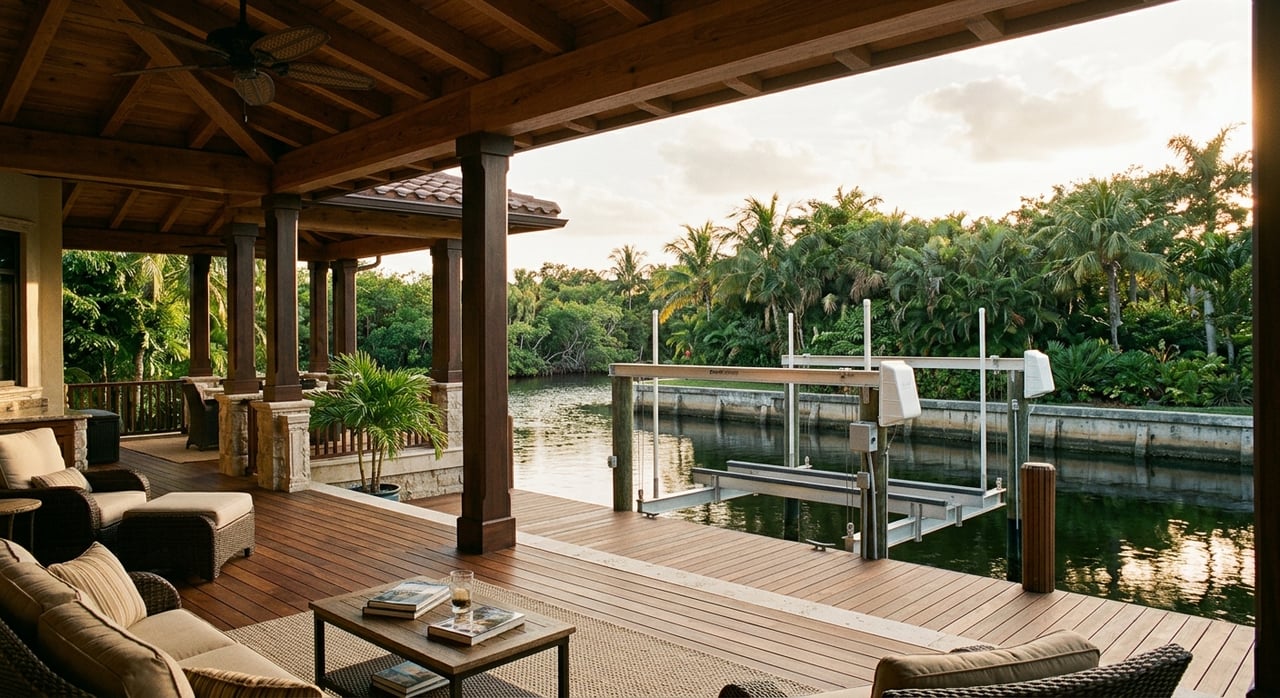
Buying a waterfront or near-water property in Coconut Grove usually means balancing lifestyle goals with property details and local regulations. Some buyers want direct frontage and private dock potential. Others decide that being close to a marina, mooring field, or launch point gives them the same lifestyle with fewer property responsibilities.
Miami-Dade’s shoreline review rules are designed to preserve the natural, recreational, and aesthetic values of the Biscayne Bay shoreline while encouraging public visual and physical access to the water. The county’s residential code also allows non-commercial boat piers or slips incidental to an existing residential use. In practical terms, property type and shoreline location can affect what is possible, so these details are worth reviewing early.
Think About Access First
Before narrowing your home search, it helps to define how you want to use the water. If you want to keep a larger boat close by, marina access may matter more than private frontage. If you prefer kayaking, paddleboarding, or occasional boating, proximity to parks and launch points may be the better fit.
This is one reason Coconut Grove appeals to a wide range of buyers. The neighborhood offers several ways to enjoy Biscayne Bay, not just one version of the waterfront lifestyle.
Review Flood and Storm Surge Risk
Flooding is a serious part of waterfront due diligence in Miami-Dade. The county says flooding is one of its most persistent threats and that storm surge is the greatest threat to life and property from a hurricane. That makes flood-risk review a standard part of the buying process, not an optional extra.
Miami-Dade provides tools that let residents review elevation, flood zones, storm surge, and property-level data. The practical takeaway is simple: if you are considering a waterfront or near-water home, check flood maps early and ask questions before you get too far into the transaction.
Inspect Seawalls and Docks
Condition matters just as much as location. The City of Miami has an active Brickell and Coconut Grove seawalls project intended to help alleviate localized flooding in Fair Isle and South Grove Bayside. That context is a reminder that shoreline infrastructure is an important part of ownership.
If a property includes a seawall or dock, you will want to understand its current condition and any maintenance needs. Those items can affect both enjoyment and long-term costs.
Understand Insurance Requirements
Insurance is another key piece of the puzzle. Miami-Dade notes that flood insurance is required for federally backed mortgages in special flood hazard areas. The county also says elevation certificates can help verify whether a structure sits above base flood elevation.
For buyers, this means insurance should be part of the conversation early. It can affect monthly carrying costs and influence which property makes the most sense for your goals.
Water Quality and Stewardship Matter
Living on the bay also means paying attention to the health of the bay. Miami-Dade monitors surface water quality at 87 locations along Biscayne Bay and says open-water sites generally meet or exceed recreational standards. At the same time, the county notes that some urban canals and parts of the bay show bacterial and nutrient impacts, and algal blooms have damaged seagrass in recent years.
That balance is important. Coconut Grove offers exceptional access to Biscayne Bay, but it is also part of a coastal ecosystem that requires active management and long-term care. For many buyers, that reality adds meaning to waterfront ownership rather than taking away from it.
Is Coconut Grove Right for Your Waterfront Goals?
If you picture your ideal Miami lifestyle as boating, sailing, paddling, bay views, and walkable access to parks and marinas, Coconut Grove stands out for good reason. Its mix of history, boating infrastructure, public waterfront spaces, and strong connection to Biscayne Bay gives it a lifestyle identity that is hard to replicate.
The key is choosing the right setup for how you actually want to live. Some buyers will want direct waterfront frontage, while others may be better served by a home near Dinner Key, Peacock Park, Regatta Park, or a mooring facility. With the right guidance, you can match the property to the experience you want every day.
If you are exploring waterfront homes, bayfront opportunities, or near-water properties in Coconut Grove, the Hidy Homes Team can help you evaluate the lifestyle, access, and property details that matter most.
FAQs
What makes Coconut Grove a strong boating neighborhood?
- Coconut Grove has extensive boating access through Dinner Key Marina, the Dinner Key mooring facility, Coconut Grove Sailing Club, Coral Reef Yacht Club, Seminole Dock, Regatta Park, and kayak-launch access near Peacock Park.
Do you need a private dock to enjoy boating in Coconut Grove?
- No. Many residents enjoy the water through marinas, moorings, public boat ramps, and kayak access instead of relying on a private dock at home.
What should buyers check before buying a waterfront home in Coconut Grove?
- Buyers should review flood maps, storm surge exposure, seawall condition, dock condition, insurance requirements, and any property-specific shoreline or access considerations early in the process.
What parks support waterfront living in Coconut Grove?
- Peacock Park, Regatta Park, and The Barnacle Historic State Park all support everyday waterfront living with bay access, open space, and views of Biscayne Bay.
Is Biscayne Bay important beyond recreation in Coconut Grove?
- Yes. Biscayne Bay is both a recreation asset and a sensitive coastal ecosystem with mangroves, seagrass beds, preserves, and monitored water-quality conditions.