Getting a full night’s rest is one of the most important foundations for physical health, emotional balance, and mental clarity. Yet for many people, quality sleep feels elusive. While bedtime routines and daily habits play a role, the environment you sleep in can be just as impactful. Your home—particularly your bedroom—can either work with your body’s natural rhythms or against them. By making thoughtful adjustments to your space, you can create an atmosphere that encourages deep, restorative rest every night.
The Connection Between Environment and Sleep
Our bodies are finely tuned to respond to cues in our surroundings. Light, temperature, noise, and even the textures around us influence how quickly we fall asleep and how well we stay asleep. A cluttered, overstimulating, or poorly designed environment can make it difficult for your mind and body to wind down. On the other hand, a serene and supportive home design can act as a natural sleep aid, reducing stress and aligning with your circadian rhythm.
Start with Lighting
Light is one of the most powerful influences on sleep. Exposure to bright, blue-toned light in the evening suppresses melatonin production, making it harder to fall asleep. That’s why many experts recommend dim, warm lighting as bedtime approaches.
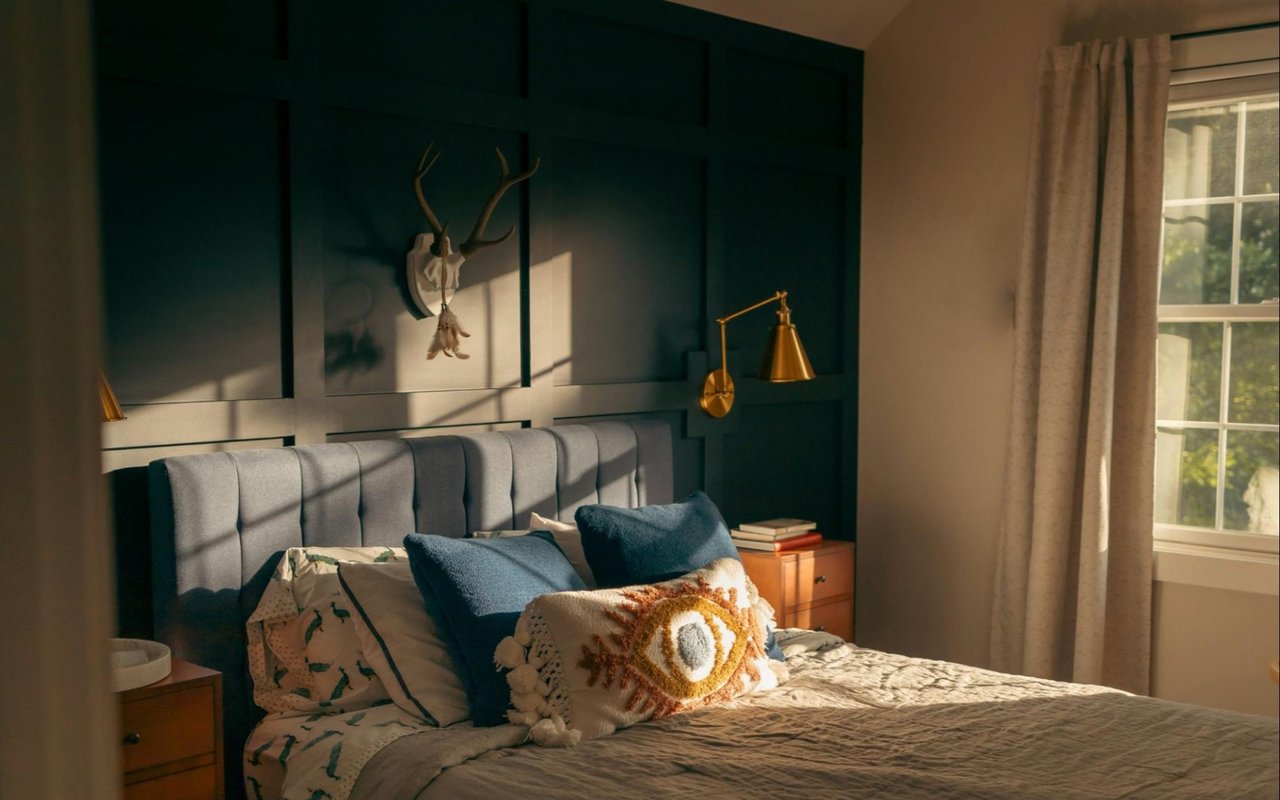
Consider installing dimmer switches in the bedroom and using bedside lamps with warm-colored bulbs instead of harsh overhead lights. Blackout curtains can block streetlights or early morning sun, while sheer curtains in other rooms allow natural light to flow during the day—helping regulate your body’s sleep-wake cycle.
If you use technology at night, try setting devices to night mode or using blue light–blocking glasses to reduce their impact on your sleep.
Choose Calming Colors
The colors that surround you impact mood and relaxation. Bright, bold hues may energize during the day but feel overwhelming at night. For a restful space, lean toward soothing tones such as soft blues, gentle greens, warm beiges, or muted grays. These shades evoke a sense of calm and signal to the brain that it’s time to relax.
You don’t need to repaint the whole room to achieve this effect. Even incorporating calming colors through bedding, throw blankets, and accent décor can shift the atmosphere.
Prioritize Comfort in Bedding
Your bed is the centerpiece of your sleep sanctuary, and comfort is key. A high-quality mattress suited to your body’s needs provides the foundation for deep rest. Some people sleep best on a firm mattress, while others prefer a softer feel—what matters most is proper support for spinal alignment and pressure relief.
Bedding also plays a role in regulating body temperature and comfort. Breathable fabrics like cotton, linen, or bamboo keep you cool, while layered blankets let you adjust warmth as needed. Pillows should support your sleeping position, whether you’re a side, back, or stomach sleeper. Investing in quality linens and pillows is not just a luxury but a long-term investment in your health.
Manage Noise Levels
Noise pollution—whether from traffic, neighbors, or even household appliances—can disrupt sleep cycles. White noise machines, soft fans, or calming soundscapes can mask sudden disturbances and create a consistent audio backdrop.
If you live in a lively neighborhood, consider acoustic curtains or even a white noise–producing air purifier. For particularly sensitive sleepers, earplugs may be helpful. The goal is not complete silence, but rather a steady, soothing sound environment that reduces disruptions.
Optimize Bedroom Temperature
Temperature regulation is one of the most important but often overlooked aspects of sleep. Experts suggest that a slightly cool environment—around 65 to 68 degrees Fahrenheit—is ideal for most people. A cooler space signals to your body that it’s time to rest, while overly warm conditions can cause tossing, turning, and restless nights.
Ceiling fans, programmable thermostats, or breathable bedding materials can all help keep your sleep environment in the optimal range.
Reduce Clutter and Distractions
A cluttered bedroom sends subtle signals of unfinished tasks and stress. Creating a minimalist, tidy environment helps your mind shift into rest mode. Clear surfaces, organized closets, and thoughtfully chosen décor contribute to a feeling of calm.
It’s also wise to keep work and entertainment separate from the bedroom. Laptops, televisions, and work documents can make the space feel like an extension of your busy day rather than a place of peace. By designating your bedroom as a sanctuary for sleep and intimacy only, you reinforce the mental connection between the space and relaxation.
Incorporate Natural Elements
Bringing nature into your home can foster a deeper sense of calm and connection. Houseplants not only purify the air but also add visual tranquility. Natural materials like wood, stone, and organic textiles can create a grounding atmosphere. Even artwork depicting serene landscapes can subconsciously encourage relaxation.
Embrace Evening Rituals
Your environment sets the stage, but rituals seal the routine. Consistent evening habits signal to your body that bedtime is approaching. Dim the lights, sip a caffeine-free tea, or spend a few minutes reading something calming. Aromatherapy with lavender or chamomile essential oils can further enhance the sense of tranquility.
Pairing these rituals with a thoughtfully designed bedroom makes it easier to let go of the day and drift into sleep.
Extend Sleep-Friendly Design Beyond the Bedroom
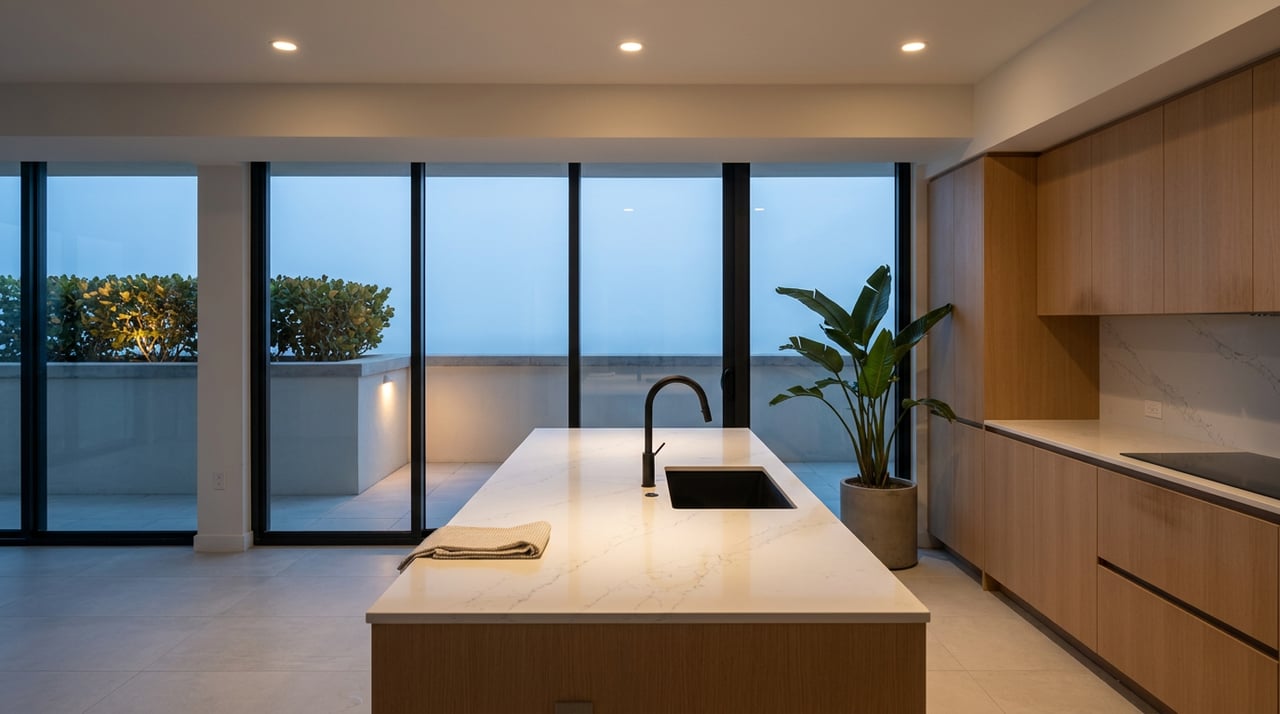
While the bedroom is central, the rest of your home plays a role too. A quiet, organized living space minimizes stress before bed. Dimmable lighting in common areas helps transition from day to night. Even your kitchen can support restful sleep by limiting late-night access to caffeine or heavy snacks.
The overall flow of your home should encourage relaxation as evening sets in, guiding you naturally toward a state of rest.
The Long-Term Benefits of a Sleep-Supportive Home
When your home supports restful sleep, the benefits ripple across every area of life. Better sleep boosts immune function, sharpens memory, enhances mood, and improves overall well-being. It also increases productivity and creativity, making daily challenges easier to handle.
In a busy world, creating a home that fosters deep rest is one of the most valuable investments you can make in yourself and your family.
In a busy world, creating a home that fosters deep rest is one of the most valuable investments you can make in yourself and your family.
Final Thoughts
Restful sleep doesn’t just happen by chance—it’s cultivated by the environment you create. Through thoughtful choices in lighting, colors, bedding, noise control, and organization, your home can become a sanctuary for restorative rest. By aligning your surroundings with your body’s natural needs, you’ll set the stage for nights of peaceful slumber and energized mornings.
If you’re dreaming of a home that supports your healthiest lifestyle, the right living space makes all the difference. The Hidy Homes Team, Coconut Grove real estate experts, can help you find a property that fits your lifestyle and wellness goals. Whether you’re searching for a serene bedroom retreat, a quiet neighborhood, or a home designed with natural light and calming features, their expertise ensures you’ll find the perfect match.
Visit Hidy Homes today to begin your journey toward a home that encourages both restful nights and vibrant days.