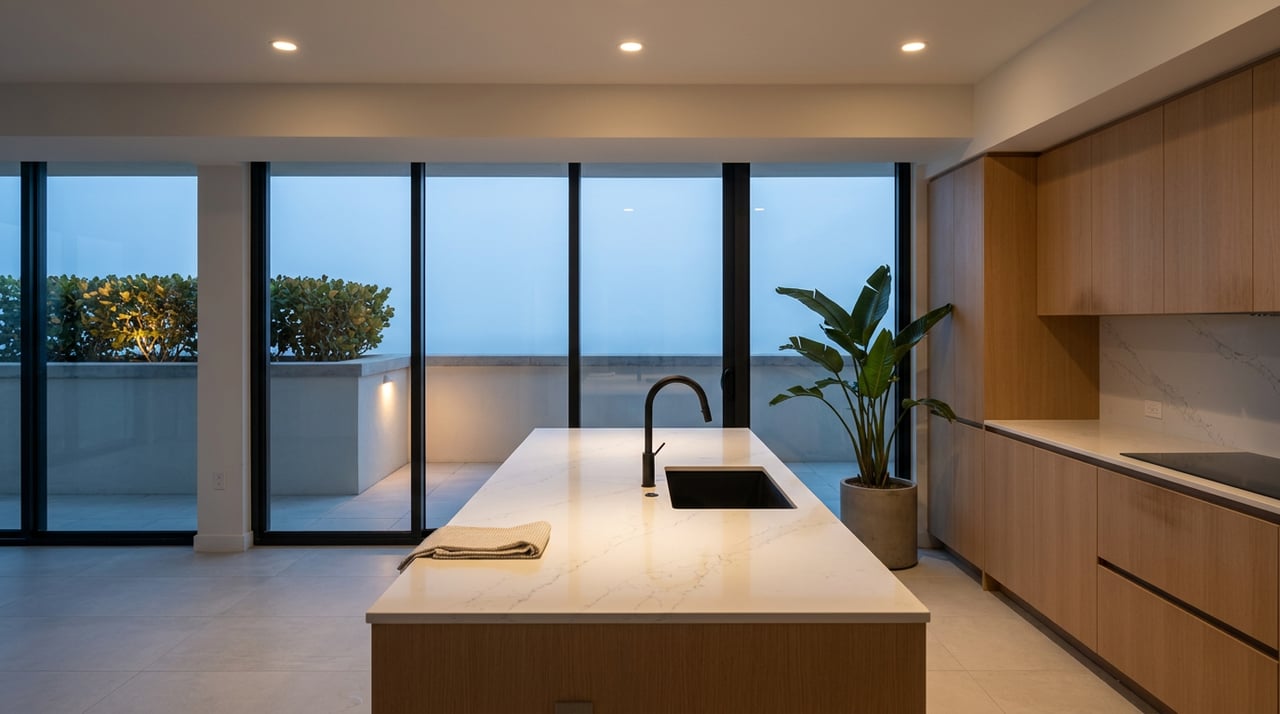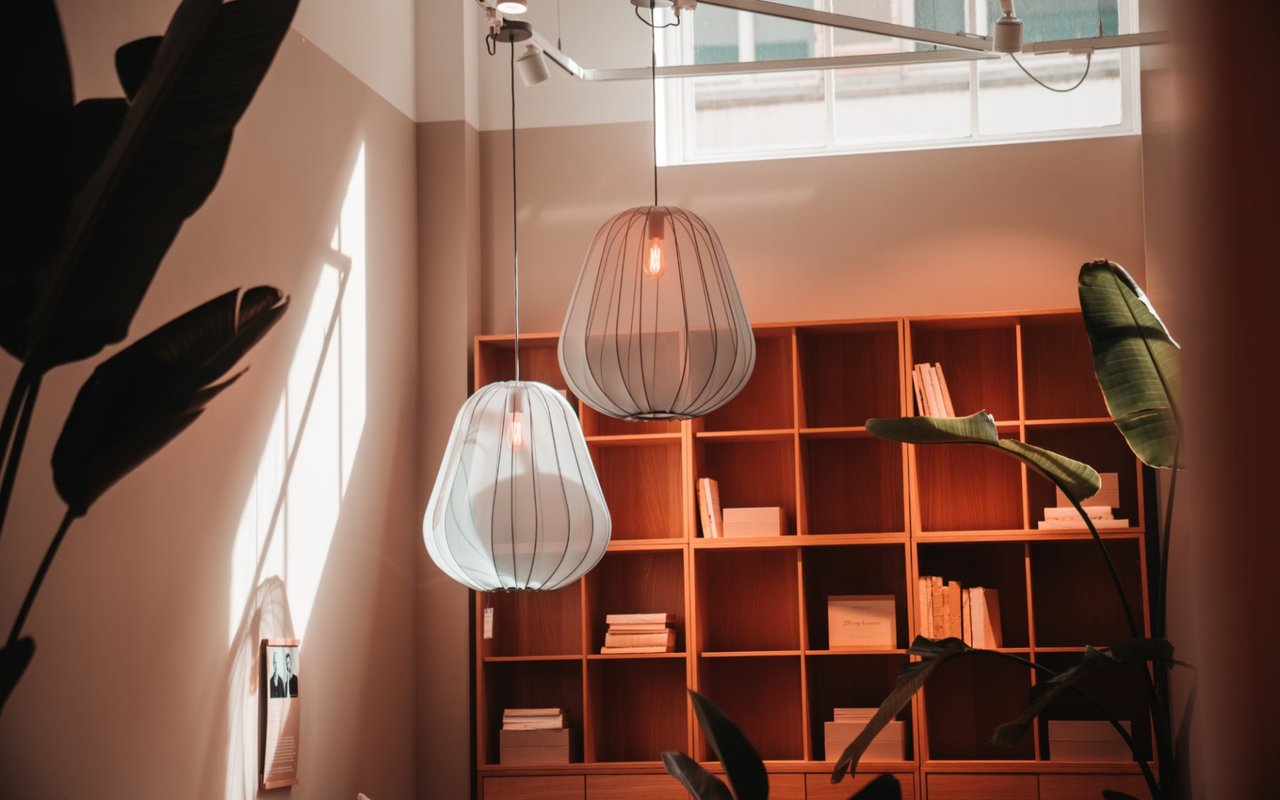
Lighting is far more than just a way to banish darkness; it is a powerful tool in interior design that can profoundly influence any room's mood, functionality, and aesthetic appeal. Thoughtful lighting can highlight architectural features, create focal points, and even make a small space feel larger or a large room feel cozier. Understanding the principles of home lighting design ideas allows you to craft beautiful and practical environments.
Consider lighting another layer in your decor, just as important as paint colors, furniture, or textures. When used effectively, it can transform a living space, enhancing its best qualities and adapting to your daily needs. Let's explore how different types of lighting can achieve these impactful changes.
Understanding the Three Layers of Light
Effective lighting design typically incorporates three fundamental layers: ambient, task, and accent lighting. Each layer serves a distinct purpose, and a well-designed room will combine all three to create a balanced and versatile illumination scheme. Ignoring one of these layers can lead to a space that feels either too dim, too harsh, or simply lacks depth.
Ambient lighting provides the overall illumination for a room, allowing you to move safely and comfortably. Task lighting focuses light on specific areas for activities like reading or cooking. Accent lighting draws attention to particular objects or architectural details. Mastering these layers is key to achieving the best lighting for home interiors.
Ambient Lighting: Setting the Foundation
Ambient lighting is a room's primary illumination source, providing a comfortable level of brightness for general visibility. This type of lighting is typically achieved through ceiling-mounted fixtures, chandeliers, recessed lights, or track lighting. It should be evenly distributed to prevent harsh shadows and create a welcoming glow.
In a living room in South Florida, for example, flush-mount or semi-flush-mount fixtures can provide excellent ambient light without obstructing views or competing with high ceilings. Dimmers are a valuable addition to ambient lighting, allowing you to adjust the intensity to suit different times of day or activities, from a bright gathering to a relaxed evening.
Task Lighting: Illuminating Activities
Task lighting is crucial for specific activities that require focused illumination, such as reading, cooking, working, or applying makeup. This type of lighting is designed to minimize eye strain and provide ample light directly where needed, preventing shadows that might interfere with your work.
Examples of task lighting include desk lamps, under-cabinet lighting in kitchens, pendant lights over kitchen islands, and floor lamps beside reading chairs. For a home office in South Florida, a good quality desk lamp can significantly improve productivity and comfort during extended work sessions, ensuring that your workspace is adequately lit.
Accent Lighting: Highlighting Features
Accent lighting draws attention to specific elements within a room, such as artwork, architectural details, or collections. This type of lighting is typically three times brighter than the ambient light in the room, creating a focal point and adding depth and visual interest.
Examples include track lighting aimed at a painting, wall-mounted picture lights, or recessed spotlights highlighting a textured wall. In a living room, accent lighting can showcase a vibrant piece of art or illuminate a bookshelf, adding sophistication and personality. It helps define the character of a space and guide the eye.
Decorative Fixtures: Beyond Function
While many lighting fixtures serve a primary function, they can also act as decorative elements that enhance a room's style. A statement chandelier in a dining room, a unique pendant light in an entryway, or a sculptural table lamp can contribute significantly to the overall aesthetic of your living space.
These fixtures act as "jewelry" for your home, reflecting your taste and adding visual interest even when not illuminated. When considering best lighting for home interiors, decorative fixtures can be chosen to complement your existing decor or serve as a dramatic focal point. In a South Florida home with an open floor plan, a striking pendant over a kitchen island can tie the entire space together.
The Power of Dimmers
Dimmers are one of the most underrated tools in home lighting design. Installing dimmers on your light switches allows you to control the intensity of your lighting, providing flexibility to adjust the mood and ambiance of a room for any occasion. This simple addition significantly enhances the versatility of your lighting scheme.
You can brighten a room for cleaning or daytime activities and then dim the lights for a cozy evening or a movie night. Dimmers also contribute to energy efficiency by reducing electricity consumption when full brightness is unnecessary. They are an essential component for achieving truly adaptive and comfortable lighting.
Natural Light Integration
Maximizing natural light is fundamental to effective lighting design, especially in sunny regions like South Florida. Incorporating ample natural light can make a space feel more open, airy, and inviting, reducing the need for artificial illumination during the day and connecting the indoors with the outdoors.
Consider window treatments that allow for light control, such as sheer curtains that diffuse harsh sunlight while still allowing brightness, or blinds that can be adjusted to direct light. Strategic placement of mirrors can also help reflect natural light deeper into a room. Leveraging natural light improves mood and reduces energy costs.
Outdoor Lighting: Extending Your Living Space
Lighting extends beyond the interior walls of your home, playing a vital role in transforming outdoor areas into functional and inviting living spaces. Adequate outdoor lighting enhances curb appeal, improves security, and creates a pleasant atmosphere for evening gatherings.
Consider pathway lighting for safety and aesthetics, uplighting to highlight trees or architectural features, and string lights or lanterns to create a festive ambiance on a patio or deck. For a South Florida home, well-placed landscape lighting can showcase tropical foliage. In contrast, smart outdoor lighting systems can be programmed to respond to specific times or events, seamlessly extending your living space outdoors.
Looking for a Place in South Florida? Hidy Homes Team Has You Covered
Looking to buy or sell a home in Miami? Work with the Hidy Homes Team — a group of professionals who understand that real estate is more than a transaction. It's about helping you achieve your goals and build wealth for the future. The Hidy Homes Team is dedicated to delivering exceptional service, expert guidance, and personalized support tailored to your unique needs. Trust them to navigate the fast-moving Miami real estate market with confidence and care. Your dreams deserve a team that’s fully invested in your success.
Contact the Hidy Homes Team and make those dreams a reality.
Contact the Hidy Homes Team and make those dreams a reality.