If you are wondering whether Pinecrest feels more like a quiet village or a convenient extension of Miami, the answer is a bit of both. For many buyers, that balance is exactly the appeal: you get a leafy, residential setting with room to spread out, while still staying connected to the rest of Miami-Dade. In this guide, you will get a clear look at housing, parks, schools, transportation, and the day-to-day lifestyle so you can decide whether Pinecrest fits the way you want to live. Let’s dive in.
Pinecrest at a Glance
Pinecrest is a small village in southeastern Miami-Dade that covers roughly 7.5 to 8 square miles. According to the village transportation master plan, the area had an estimated 18,981 residents in 2024, while the 2020 Census counted 18,388 residents.
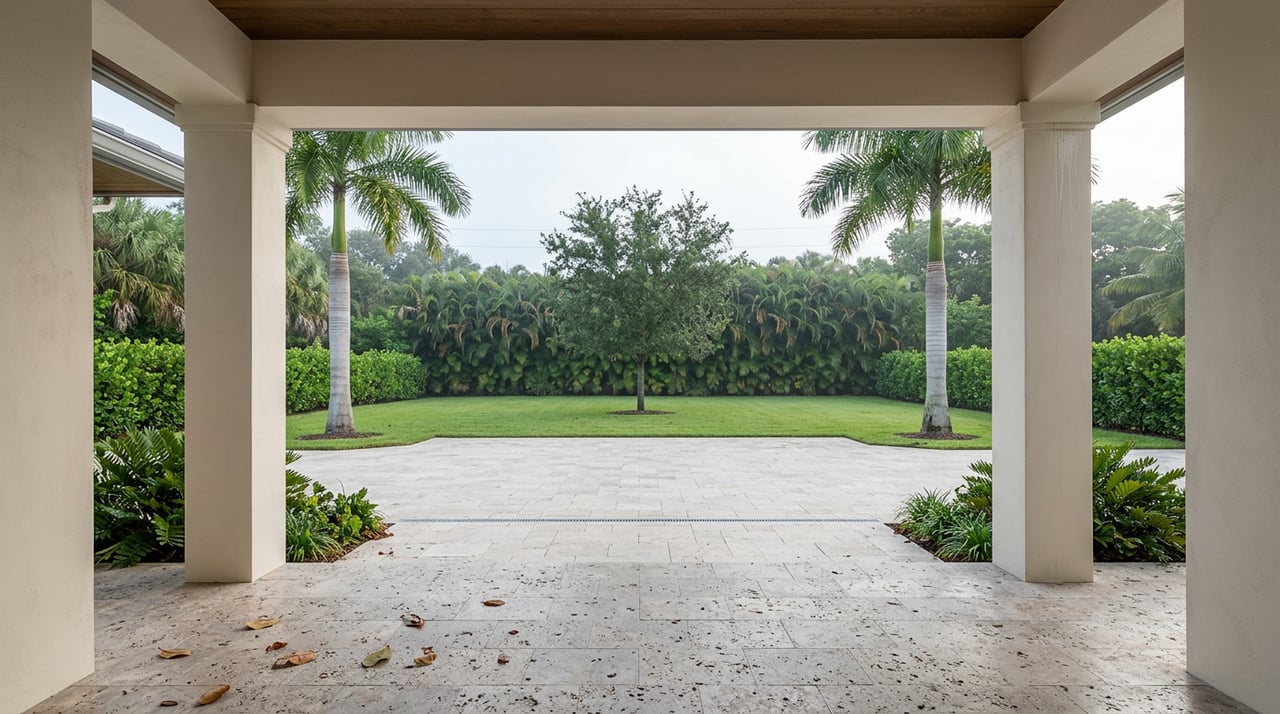
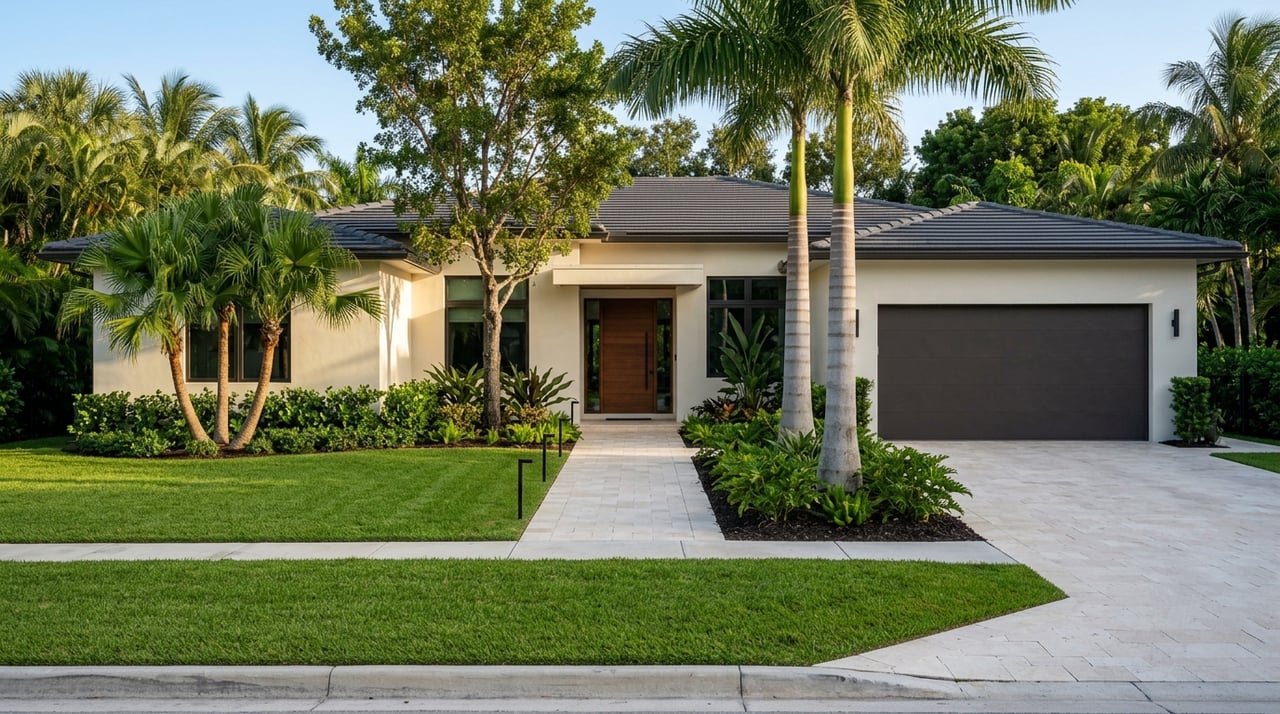
The overall feel is distinctly residential. Village planning documents describe Pinecrest as a community of homes on large lots with abundant landscaping and open spaces, with an emphasis on preserving the streetscape and tree canopy and maintaining access to downtown Miami.
That combination gives Pinecrest a very specific identity in the Miami area. It is not a dense urban neighborhood, and it does not try to be. Instead, it offers a more estate-style suburban setting with luxury-level housing costs and a strong focus on everyday livability.
Housing in Pinecrest
If you are considering living in Pinecrest, housing is one of the biggest factors to understand upfront. U.S. Census data for Pinecrest show an owner-occupied housing rate of 82.8%, which points to a community with a high share of long-term homeowners.
The same Census data report a median owner-occupied home value of $1,406,400. Median monthly mortgage costs are over $4,000, and median gross rent is $1,946, which helps explain why Pinecrest is generally viewed as a luxury residential market rather than an entry-level one.
From a lifestyle perspective, the housing stock often aligns with what many buyers expect from a premium suburban village in South Florida: larger lots, mature landscaping, and a quieter streetscape than you will find in more urban parts of Miami. If space, privacy, and a green setting matter to you, Pinecrest tends to stand out.
Daily Life Feels Green and Residential
One of the clearest themes in Pinecrest is its commitment to a leafy, landscaped environment. The village highlights programs such as Tree City USA recognition, Adopt-a-Tree, and tree placement initiatives, all of which support the community’s long-standing focus on preserving canopy and curb appeal.
That effort shows up in the everyday experience of driving, walking, or biking through the area. Pinecrest feels intentionally maintained, with a strong emphasis on open space and a residential atmosphere rather than commercial intensity.
For many buyers relocating from busier parts of Miami, this is a major selling point. You are still in Miami-Dade, but the visual rhythm of daily life can feel calmer and more grounded in greenery.
Parks and Recreation in Pinecrest
Pinecrest offers a solid range of parks and recreation options for residents who want outdoor space built into their routine. The village’s parks and facilities system includes Evelyn Greer Park, Flagler Grove Park, Pawcrest Park, and the Pinecrest Community Center.
Pawcrest Park is especially notable because it is the village’s only off-leash dog park. That can be a meaningful perk if your lifestyle includes pets and you want neighborhood amenities that support that routine.
The Pinecrest Community Center adds another layer to daily life. According to the village, it includes a fitness room, youth and adult programs, an indoor play zone, a café, and outdoor playground space, making it a practical hub for recreation and community programming.
Pinecrest Gardens Is a Local Landmark
A big part of the village identity is Pinecrest Gardens, a 14-acre botanical garden and event venue. The village reports that it welcomes more than 140,000 visitors each year, and it was added to the National Register of Historic Places in 2011.
For residents, Pinecrest Gardens is more than a pretty place to visit. It functions as one of the village’s signature gathering spaces and adds to the sense that Pinecrest has its own local rhythm and traditions.
Weekends can also revolve around community-centered routines. The village highlights the Pinecrest Farmers Market and composting drop-off at Pinecrest Gardens, which blend errands, local food, and sustainability into a distinctly neighborhood-focused experience.
Schools and Community Routines
For many buyers, schools are part of the Pinecrest conversation simply because they shape daily routines and community activity. The village’s school information page lists five public schools within Pinecrest: three elementary schools, Palmetto Middle School, and Miami Palmetto Senior High School, along with several private-school options.
The village’s school brochure notes that all three elementary schools offer before-school care starting at 7 a.m. and after-school care until 6 p.m. for Pre-K through 5th grade. It also outlines programs such as gifted, Cambridge, STEAM, and foreign-language offerings.
Beyond schools themselves, Pinecrest has a community structure that tends to support organized routines. Census data show that 28.3% of residents are under age 18 and 17.5% are age 65+, suggesting a mix of households in different life stages.
The village is also notably diverse. Census figures report that 30.4% of residents are foreign-born, and 61.6% speak a language other than English at home, which adds to the area’s broad cultural character.
Dining and Errands Stay Close to Home
Pinecrest is mostly residential, but that does not mean you have to leave the area for every casual meal or everyday stop. The village business directory shows a neighborhood-scale mix of dining and service businesses along South Dixie Highway and nearby streets.
Local options listed by the village include Carrot Express, Anthony's Coal Fired Pizza & Wings, Tani Thai by Rin, Azucar Ice Cream, Brewing Buddha Cafe & Art House, and The Captain's Tavern. That lineup supports an everyday lifestyle where quick lunches, coffee runs, casual dinners, and simple errands can stay fairly close to home.
This is one reason Pinecrest appeals to buyers who want a suburban setting without feeling isolated. You get a more peaceful residential backdrop, but many practical needs and casual outings are still nearby.
Getting Around Pinecrest and Miami
Pinecrest works well for people who want regional access, but it is important to go in with realistic expectations about traffic. The village transportation master plan notes a 108-mile roadway network, a 28-mile sidewalk network, and connections to Old Cutler Trail and the South Dade Trail.
The village also offers mobility options beyond private driving. The Pinecrest People Mover is a free neighborhood and school bus circulator, and Freebee provides free on-demand electric rides within the village, including connections to the South Dade Transitway and Metrorail.
For broader travel through the county, Miami-Dade Metrorail connects Kendall to Downtown Miami and Miami International Airport. The county also operates Metro Express BRT along the South Dade TransitWay between Florida City and Dadeland South.
Traffic Is One of the Main Tradeoffs
Convenience does not mean congestion-free. The village reported that more than 113 crashes were recorded along US-1 from 2019 to 2023, which was one reason it revisited transportation planning through a Safe Streets grant initiative.
Census data put the average commute time at 27.6 minutes. In practical terms, Pinecrest is accessible for many Miami-area commuters, but it is not a place where most people will feel fully car-free.
Who Pinecrest Usually Fits Best
Pinecrest tends to fit buyers who value space, greenery, and a more established residential environment. If you are looking for large lots, mature landscaping, a community-oriented feel, and convenient access to the broader Miami area, Pinecrest checks many of those boxes.
It can be especially appealing if your priorities include parks, organized activities, local gathering places, and a calmer day-to-day pace than denser urban neighborhoods often provide. The tradeoff, of course, is cost. Home values and ownership costs sit at a premium level, and corridor traffic, especially near US-1, is part of the reality.
In other words, Pinecrest is less about nonstop nightlife and more about lifestyle stability, outdoor space, and long-term residential appeal. For the right buyer, that mix can feel like a very smart fit.
If you are thinking about buying or selling in Pinecrest or anywhere nearby in Miami-Dade, the Hidy Homes Team offers the kind of local, concierge-level guidance that helps you compare neighborhoods, understand market positioning, and move forward with confidence.
FAQs
What is the overall lifestyle like in Pinecrest?
- Pinecrest offers a primarily residential lifestyle with large-lot homes, abundant landscaping, local parks, community programming, and convenient access to the rest of Miami-Dade.
Is Pinecrest more urban or suburban?
- Pinecrest is generally best understood as a suburban village setting rather than a dense urban neighborhood, with a strong emphasis on open space, tree canopy, and residential streetscapes.
What are housing costs like in Pinecrest?
- According to U.S. Census data, Pinecrest has a median owner-occupied home value of $1,406,400, median monthly mortgage costs above $4,000, and median gross rent of $1,946.
What parks and recreation options are available in Pinecrest?
- Pinecrest includes Pinecrest Gardens, Evelyn Greer Park, Flagler Grove Park, Pawcrest Park, and the Pinecrest Community Center with fitness, youth and adult programs, play areas, and other amenities.
How do you get around when living in Pinecrest?
- Residents can use local roads, sidewalks, trail connections, the free Pinecrest People Mover, Freebee on-demand electric rides, and nearby regional transit options such as Metrorail and the South Dade TransitWay.
What are the main tradeoffs of living in Pinecrest?
- The main tradeoffs are the higher cost of housing and traffic along major corridors such as US-1, balanced against strong residential character, greenery, and access to amenities.