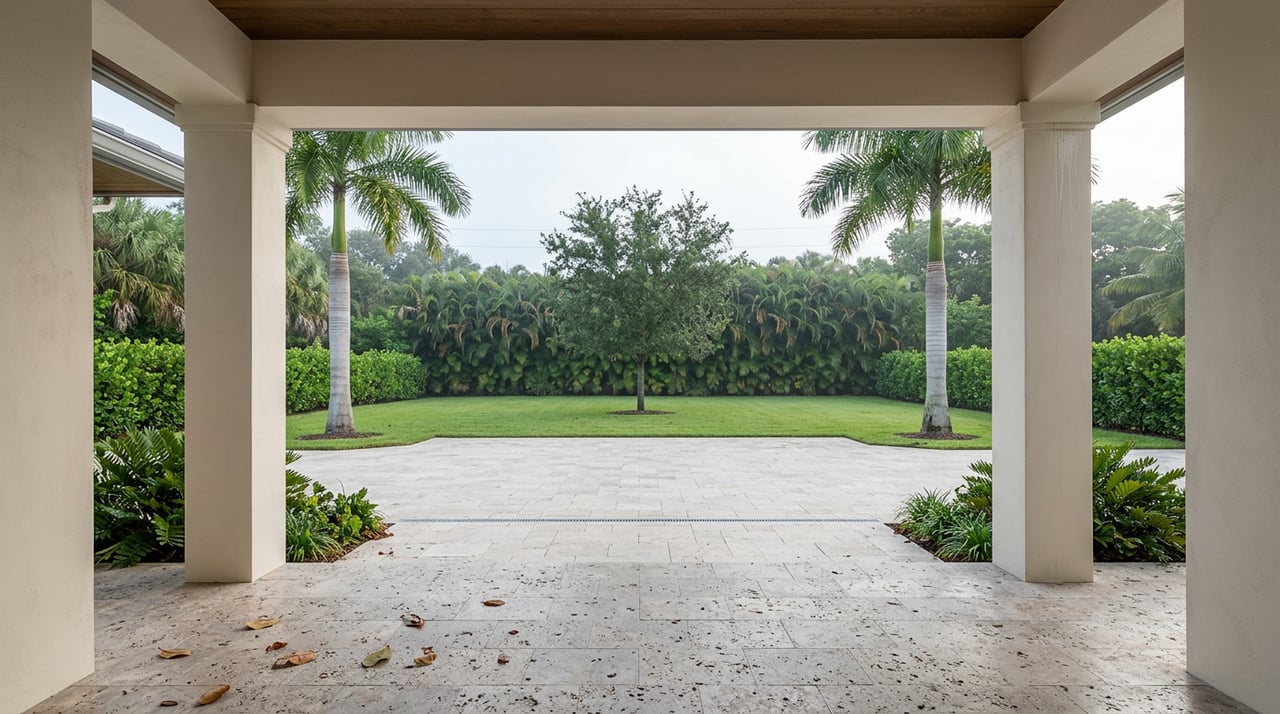
Thinking about moving to Miami? The hard part is not finding a place on the map. It is figuring out which part of Miami actually fits how you want to live every day. From high-rise city living to tree-canopied streets and beachside routines, Miami offers very different lifestyle pockets within a short distance of each other. This guide will help you narrow your options, compare neighborhood types, and focus on the details that matter most when relocating. Let’s dive in.
How Miami Neighborhoods Feel Different
Miami is not one single residential experience. The city is shaped by distinct neighborhood types, and those areas can feel dramatically different even when they are only a few miles apart.
The City of Miami uses the Miami 21 zoning code, and some older areas also fall under historic-preservation rules or neighborhood conservation standards. For you as a buyer, that means location is not just about price or square footage. It can also affect density, streetscape, future changes, and what kind of lifestyle you can expect.
A helpful way to think about Miami is through a few major categories: urban core, historic tropical neighborhoods, coastal island living, and quieter residential pockets. Once you start there, your shortlist usually becomes much clearer.
Start With Lifestyle Priorities
Before you compare homes, it helps to compare how you want your days to look. Miami neighborhood searches work best when you begin with lifestyle questions instead of a broad search radius.
Ask yourself:
- Do you want a rail-adjacent or car-light commute?
- Is walkability part of your daily routine?
- Do bayfront or beach settings matter to you?
- Would you rather live in a high-rise, a historic area, or a lower-density residential neighborhood?
- Do you want a small-town style center for errands and dining, or a downtown setting with towers and activity?
These questions can quickly guide you toward the right part of Miami-Dade.
Urban Core: Brickell and Downtown Miami
For a city-first lifestyle, Brickell and Downtown Miami are often the starting point. Brickell is known as Miami’s financial district, but it is also defined by bay views, high-rises, dining, nightlife, shopping, arts, and bayfront parks.
If you want a more compact, active setting, this area stands out. It puts you close to major cultural destinations and offers one of the strongest transit options in the county.
Why Brickell Works for Relocating Buyers
Brickell and the downtown core are especially appealing if you want to cut down on driving. Miami-Dade Transit’s free Metromover serves Downtown, Omni, and Brickell with 21 stations, which supports a more connected daily routine.
The Brickell Metrorail station also connects to Metromover and Miami Trolley service. If your priority is quick access to the urban core, this is one of the easiest neighborhoods to evaluate first.
Best Fit for Brickell and Downtown
You may want to focus on this area if you are looking for:
- High-rise condo living
- Bay views and a dense urban setting
- Dining and nightlife close to home
- Easier transit access for downtown commuting
- A fast-paced, city-oriented routine
Historic and Tropical: Coconut Grove
Coconut Grove offers a very different feel from Brickell. It is one of Miami’s oldest neighborhoods, and its identity is tied to mature tree canopy, green space, bay views, architectural variety, and a more laid-back tropical atmosphere.
The City of Miami’s Coconut Grove Neighborhood Conservation District helps preserve parts of that lower-density character, including large-lot patterns in some sections. In simple terms, this means the Grove often feels more residential and established than nearby high-rise districts.
What Makes Coconut Grove Unique
Coconut Grove blends history and outdoor living in a way that is hard to replicate. It has bayside parks, a boating culture, and a historic Black community connected to Bahamian roots.
That combination gives the neighborhood a lifestyle that feels both relaxed and deeply rooted. If you want character, greenery, and a setting that leans outdoor-oriented, Coconut Grove deserves a close look.
Getting Around From Coconut Grove
For commuters, Coconut Grove also has a practical side. The Metrorail map shows a Coconut Grove station, and nearby connections include Miami Trolley service.
That makes the Grove a useful middle ground if you want neighborhood character without giving up access to other parts of Miami-Dade.
Coastal Island Living: Miami Beach
If your move to Miami is driven by waterfront living, Miami Beach will likely be part of your search. The city is structured around North Beach, Mid Beach, and South Beach, and each one offers a different pace.
Official neighborhood descriptions frame South Beach as eclectic and arts-driven, Mid Beach as more resort-oriented, and North Beach as more leisurely. That distinction matters because “Miami Beach” is not one uniform lifestyle.
Comparing Miami Beach Areas
Here is a simple way to think about the three main areas:
| Area | General Feel | Good For |
|---|---|---|
| South Beach | Eclectic, arts-focused, active | Buyers who want energy and activity nearby |
| Mid Beach | Resort-oriented | Buyers drawn to a polished waterfront setting |
| North Beach | More leisurely pace | Buyers who want a calmer beach environment |
The city also notes that complimentary trolleys connect these areas, and the Beachwalk helps reduce some internal island driving. That can make day-to-day movement easier than many first-time buyers expect.
Quieter Residential Options: Pinecrest and South Miami
If you are relocating and want more space or a slower pace, Pinecrest and South Miami are useful comparisons. These areas shift the focus away from the downtown and beach lifestyle and toward residential comfort and everyday convenience.
Pinecrest for Space and Greenery
Pinecrest is known for tree-lined streets, large estate lots, and a residential setting across about eight square miles. The village also manages nine parks and offers more than 150 programs, which adds to its neighborhood-oriented feel.
This area can make sense if your priority is space, a lower-density setting, and amenities that support daily living rather than nightlife.
South Miami for a Walkable Town Center
South Miami is smaller and more compact, covering about 2.5 square miles. It borders the University of Miami, Coral Gables, and Pinecrest, and its town center east of U.S. 1 is known for shopping, dining, entertainment, and a hometown ambiance.
The city also maintains 17 parks and facilities across 48 acres. With tree-lined streets, sidewalk cafés, and access to the South Miami Metrorail station, South Miami often appeals to buyers who want a walkable small-city pocket.
Coral Gables as a Benchmark
Even if you do not end up buying in Coral Gables, it is a helpful comparison point when relocating to central Miami-Dade. The city describes itself as the City Beautiful, with lush avenues, residential homes, historic landmarks, public art, and dining.
When you compare Coconut Grove, South Miami, and Coral Gables side by side, you can better understand whether you prefer a more tropical historic setting, a compact town-center environment, or a more formally planned neighborhood feel.
Commute and Mobility Matter More Than You Think
In Miami, commute style can shape your neighborhood decision just as much as the home itself. Transit access varies sharply depending on where you live.
Brickell stands out for Metromover and Metrorail connections. Coconut Grove, Douglas Road, South Miami, Dadeland North, Dadeland South, and Brickell all appear on the Metrorail map, which gives some neighborhoods an edge for daily commuting.
If you are considering Miami Beach, internal trolley service and the Beachwalk can help with local movement. In South Miami, active parking management and garages reinforce the role of its town center as a practical hub for errands and dining.
Don’t Skip Flood and Property Review
Miami lifestyle is exciting, but practical due diligence matters. Miami-Dade County recommends checking flood-zone maps on a property-by-property basis because the county is especially vulnerable to flooding from major rain events and storm surge.
This is especially important in waterfront or lower-lying areas, including places like Coconut Grove and Miami Beach. FEMA flood maps are used to identify Special Flood Hazard Areas, so flood-zone review should be a standard part of your comparison process.
Historic and Design Rules to Know
Some neighborhoods come with added layers of review that can affect future updates. Historic districts and the Coconut Grove conservation overlay may include design or exterior-change constraints that matter if you plan to remodel.
That does not make these neighborhoods less appealing. It simply means you should understand the rules early so your purchase lines up with your long-term plans.
How to Narrow Your Miami Shortlist
If Miami feels overwhelming at first, that is normal. The fastest way to simplify your search is to match each area to your top priority.
A simple framework looks like this:
- Brickell and Downtown for transit and city access
- Coconut Grove for historic character and outdoor living
- Miami Beach for waterfront and coastal lifestyle
- Pinecrest for larger lots and residential comfort
- South Miami for a walkable town-center feel
- Coral Gables as a comparison point for tree-canopied, planned surroundings
The goal is not to find the one “best” neighborhood. The goal is to find the neighborhood that best supports your daily life.
Relocating to Miami is easier when you stop thinking in broad labels and start focusing on how each neighborhood actually functions. If you want local guidance on comparing Coconut Grove, Coral Gables, Miami Beach, Brickell, or other Miami-Dade neighborhoods, the Hidy Homes Team can help you match the right location to your lifestyle and next move.
FAQs
What are the best Miami neighborhoods for a city lifestyle?
- Brickell and Downtown Miami are strong options if you want high-rise living, bay views, dining, nightlife, and access to Metromover and Metrorail.
What makes Coconut Grove different from Brickell?
- Coconut Grove offers a more historic, tropical, and lower-density feel, with tree canopy, green space, bay access, and a more relaxed pace than the urban core.
How is Miami Beach divided for relocating buyers?
- Miami Beach is commonly viewed as North Beach, Mid Beach, and South Beach, with each area offering a different pace from leisurely to resort-oriented to more active and arts-driven.
Is South Miami a walkable area for everyday errands?
- Yes. South Miami has a compact town center with shopping, dining, entertainment, sidewalk cafés, and access to the South Miami Metrorail station.
Why should buyers check flood zones in Miami-Dade?
- Miami-Dade recommends property-by-property flood-zone review because the county is vulnerable to flooding from major rain events and storm surge, especially in waterfront or low-lying areas.
Do some Miami neighborhoods have extra property rules?
- Yes. Historic districts and neighborhood conservation overlays, including parts of Coconut Grove, can affect design review and exterior changes.