If you are selling a luxury home in Coconut Grove, you are not just putting a property on the market. You are presenting a lifestyle that buyers come here to find, from Biscayne Bay access to leafy streets, outdoor living, and the neighborhood’s mix of parks, dining, boutiques, and events. That creates real opportunity, but it also means your pricing, presentation, and marketing need to be dialed in from the start. Let’s dive in.
Why Coconut Grove luxury is different
Coconut Grove is Miami’s oldest neighborhood, and its appeal goes far beyond square footage. Many luxury buyers are drawn to the area’s green space, bayfront setting, restaurants, boutiques, and community feel, so they are often evaluating both the home and the lifestyle around it.
That matters when you sell. A home with architectural character, mature landscaping, strong indoor-outdoor flow, or waterfront features may compete differently here than it would in another Miami neighborhood. In Coconut Grove, the story around the home can be just as important as the floor plan.
What the market says right now
As of April 2026, Realtor.com reported a median listing price in Coconut Grove of $2.65 million, a median sold price of $1.695 million, 373 active listings, and 69 median days on market. Redfin showed a median sale price of $1.72 million, about 75 days on market, and homes selling roughly 5.6% under list price.
Taken together, that points to an active market, but not one where sellers can expect any price to work. Buyers are participating, yet they are still comparing options and negotiating. In other words, strong presentation and realistic pricing still matter a great deal.
At the county level, Miami-Dade single-family sales rose 8.63% year over year in April 2026, and the market had 5.7 months of supply, which MIAMI Realtors described as a seller’s market. MIAMI Realtors also noted that South Florida’s luxury market continues to be supported by cash buyers and global demand.
Price for the Coconut Grove micro-market
Luxury pricing in Coconut Grove should be local and highly specific. MIAMI Realtors’ 2026 first-quarter report placed the Miami-Dade single-family luxury threshold at $4.1 million and ultra-luxury at $13.6 million. In Coconut Grove, the same report listed the single-family luxury threshold at $7.3 million and ultra-luxury at $7.5 million.
That narrow local spread is a reminder that broad county trends only go so far. In this neighborhood, buyers pay close attention to property-specific factors such as bay access, water views, lot size, renovation quality, outdoor living, and architectural character.
What buyers compare closely
When buyers assess a luxury home in Coconut Grove, they often look at:
- Waterfront or bay access
- View corridors and privacy
- Lot size and usable outdoor space
- Pool, dock, terrace, and landscape quality
- Renovation level and design consistency
- Architectural style and neighborhood fit
- Permit history for major work or waterfront improvements
A pricing strategy built around these features is usually more effective than relying on broad price-per-square-foot averages alone. This is one of the clearest places where hyper-local expertise can protect your result.
Timing matters, but readiness matters more
Many sellers assume spring is automatically the best time to list. Realtor.com reported that the best week to sell in 2026 was April 12 through 18, but it also noted that spring is not always the strongest season and that December through March can produce stronger above-list outcomes.
For Coconut Grove, the bigger lesson is simple: list when your home is fully ready and when buyer activity is strongest, not just because the calendar says it is time. Miami luxury tends to be less seasonal than many other U.S. markets because demand is supported by cash purchasers, international buyers, and retirees.
If your home needs photography, staging, repairs, or permit organization, it is often smarter to wait until everything is buttoned up. A polished launch usually beats a rushed one.
Presentation drives perception
Luxury buyers often make their first judgment online, and that first impression can shape every showing that follows. According to the 2025 Profile of Home Staging, 83% of buyers’ agents said staging helps buyers visualize a home. The same research found that photos, physical staging, videos, and virtual tours rank among the most important listing tools.
NAR also reported that staging can increase the dollar value offered by 1% to 10% and can help reduce time on market. For a luxury seller, that makes preparation less of a cosmetic extra and more of a strategy.
Focus on the spaces that sell the lifestyle
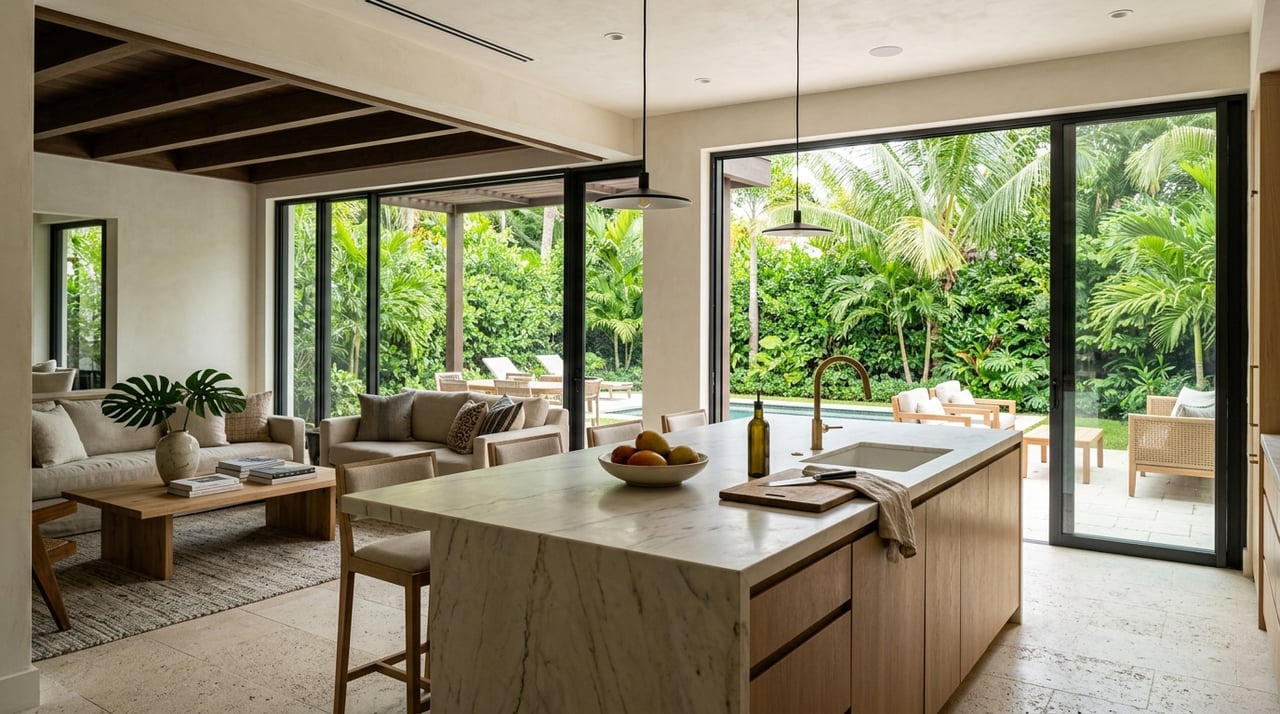
The most commonly staged rooms are the living room, primary bedroom, dining room, and kitchen. In Coconut Grove, outdoor areas deserve the same attention because the neighborhood identity is tied so closely to waterfront living, greenery, and connection to the outdoors.
Before listing, pay special attention to:
- Living room flow and natural light
- Primary suite comfort and scale
- Kitchen presentation and entertaining appeal
- Dining areas for hosting
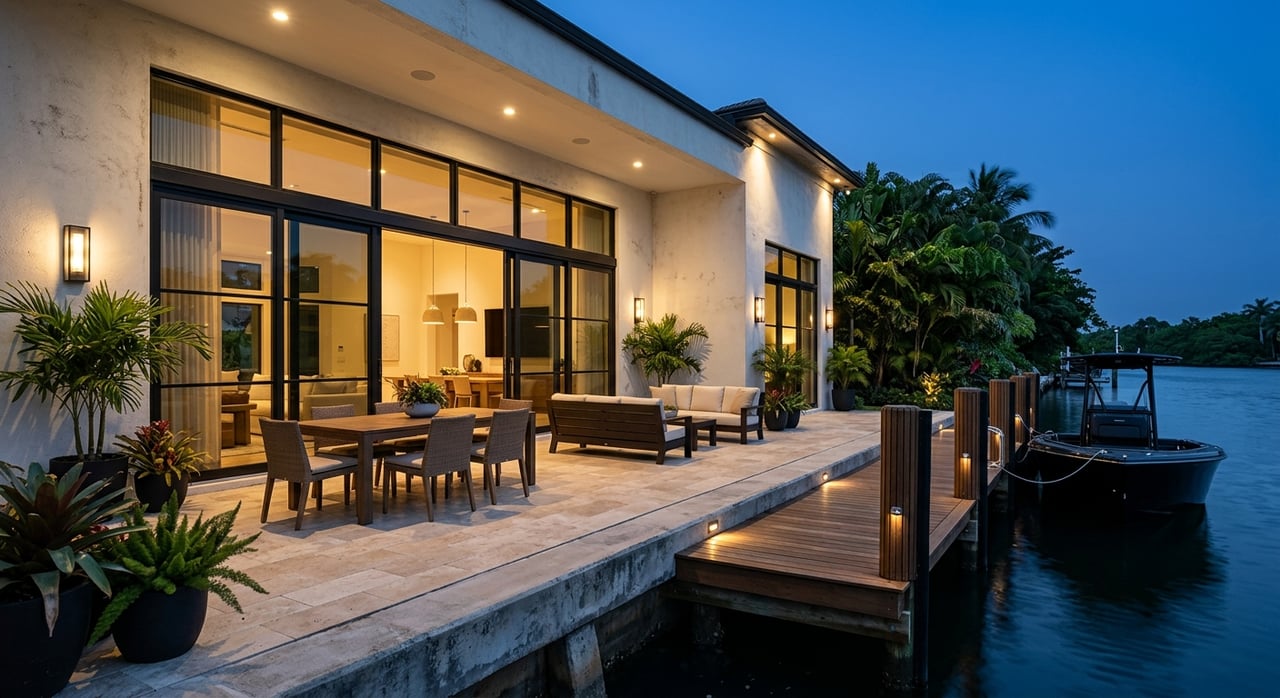
- Terraces and covered outdoor rooms
- Pool areas and landscaping
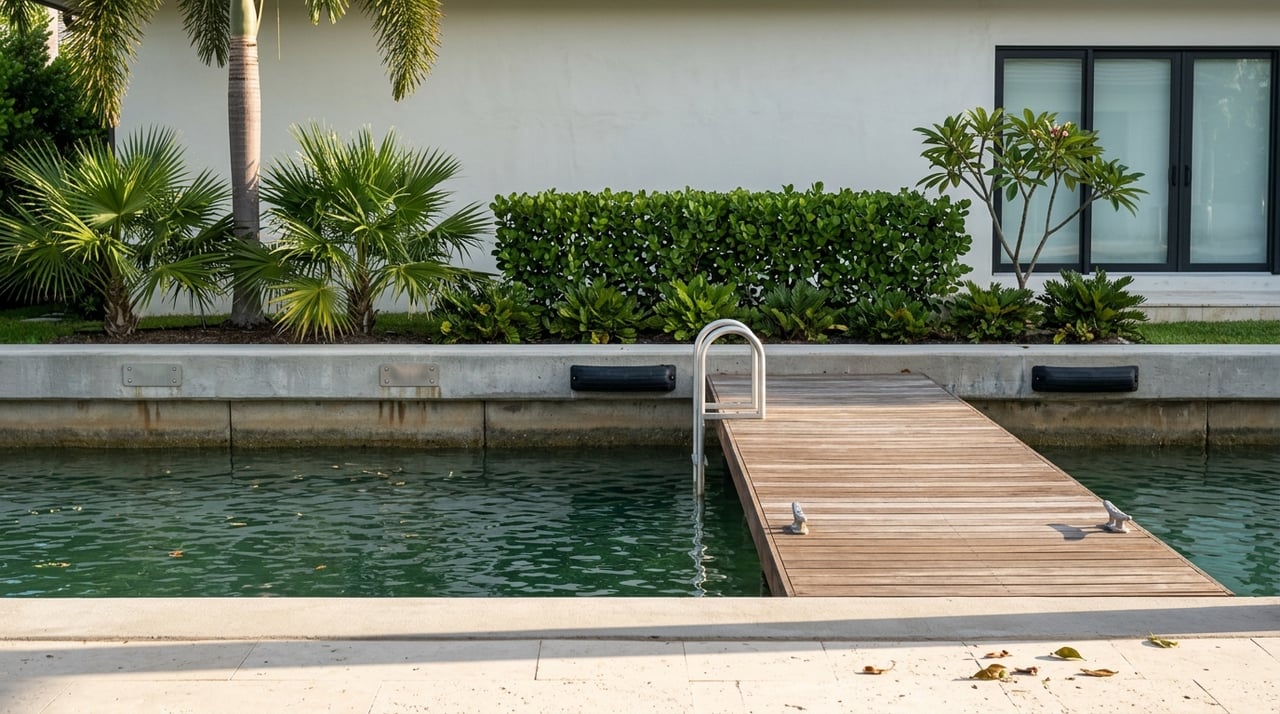
- Docks, seawalls, and waterfront edges
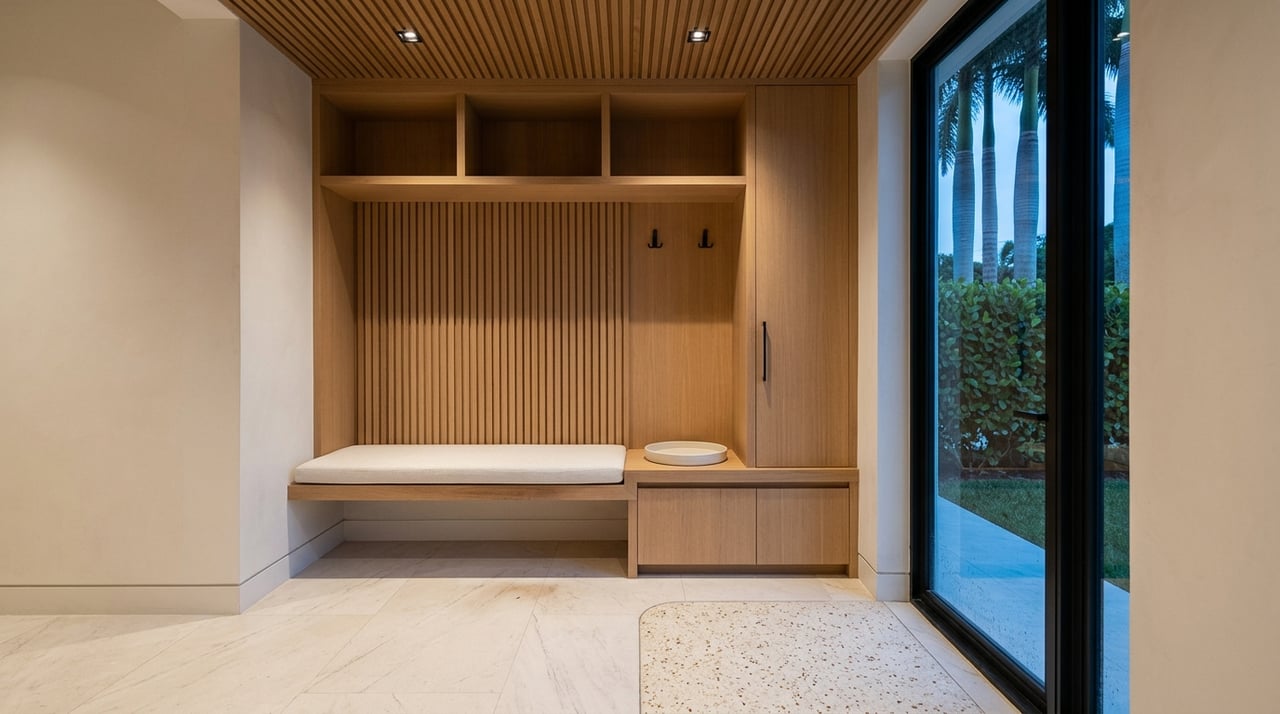
- Entry sequence and curb appeal
In this market, buyers often imagine not just where they will sleep, but how they will host, relax, and enjoy the setting. Your presentation should help them picture that immediately.
Marketing must go beyond the MLS
In Coconut Grove luxury, broad exposure alone is not enough. You need the right kind of exposure. MIAMI Realtors has highlighted South Florida’s strong all-cash buying patterns, and Realtor.com also points to cash purchasers, international buyers, and retirees as key forces in Miami luxury.
That means your marketing should meet buyers where they actually shop. High-end visuals and story-driven positioning are essential because many buyers begin with photos and video, and some may be evaluating the home from outside the immediate area.
What effective luxury marketing should include
A strong launch often includes:
- Professional photography
- Video and virtual tours
- Drone footage when appropriate
- Clear lifestyle messaging around waterfront, walkability, and outdoor living
- Property descriptions that highlight character and setting, not just room counts
- Targeted neighborhood storytelling
That approach fits Coconut Grove especially well. The local business district describes the neighborhood as a lifestyle destination shaped by events, shopping, dining, parking, security and cleanliness initiatives, and waterfront access improvements. Buyers are often shopping for that full experience, not just the house itself.
For sellers, this is where polished, multi-channel marketing can create leverage. It helps your property stand out, supports buyer confidence, and gives the home a stronger narrative from day one.
Get paperwork ready early
Luxury transactions can slow down when documentation is incomplete. In Coconut Grove, that risk can be even higher because many properties involve waterfront elements, older construction, major renovations, or neighborhood design considerations.
Preparing key records before you list can make the process smoother and reduce surprises during due diligence.
Flood disclosure is not optional
Miami-Dade County notes that the area lies close to sea level and is surrounded by major water bodies. Florida law requires a flood disclosure to be provided to the buyer at or before contract execution, and the statute makes clear that homeowners insurance does not cover flood damage.
For sellers, this means flood-related information should be addressed early and clearly. If buyers have questions about flood zones, elevation-related records, or prior disclosure materials, having those items organized can support confidence and keep negotiations cleaner.
Insurance inspections can affect the deal
For older homes, Florida’s insurance office says insurers may require a 4-point inspection that covers the roof, plumbing, electrical, and HVAC systems. Insurers may also request a wind mitigation inspection.
The current wind mitigation form is the Uniform Mitigation Verification Inspection Form, and it can be valid for up to five years if the structure has not materially changed. If your home is older or has had major system updates, gathering these documents in advance may help prevent delays once a buyer starts securing coverage.
Waterfront permits matter
If your home is on the water, permit records can be especially important. Miami-Dade says Class I permits cover coastal construction, docks, seawalls, and mangrove trimming.
Buyers may also look for supporting records tied to flood-zone maps, elevation certificates, and property sale disclosures. If your property includes a dock, shoreline improvements, or prior exterior work near the water, having documentation ready can strengthen your position.
Neighborhood character can add value
Much of Coconut Grove sits within Neighborhood Conservation District overlays. The City of Miami says these overlays are intended to preserve distinctive neighborhood character and add standards for new construction and major alterations.
The city also notes concerns tied to lot coverage, density, tree preservation, public noticing, and property rights. For sellers, this means mature landscaping, architectural continuity, and thoughtful site planning may be part of the value story, especially when buyers are drawn to the Grove’s established look and feel.
This does not mean every buyer will value the same feature equally. It does mean that neighborhood fit, visual harmony, and long-term character can matter more here than in a purely newer-build market.
Why representation still matters
Luxury sales involve more moving parts than many standard transactions. Pricing precision, staging decisions, disclosure timing, visual marketing, and negotiation all affect your final outcome.
NAR’s 2025 Profile of Home Buyers and Sellers found that 91% of sellers used a real estate agent, while only 5% sold by owner. In a market like Coconut Grove, where buyers are selective and the details around permits, insurance, and presentation can shape the result, strong representation remains a major advantage.
A boutique team with neighborhood fluency can help you connect the data to the story of your specific property. That is often what turns interest into serious offers.
If you are thinking about selling a luxury home in Coconut Grove, the best first step is a smart plan built around your home’s strengths, timing, and buyer audience. The Hidy Homes Team combines local Coconut Grove insight with polished marketing, concierge-level guidance, and a full-service approach designed to help you present your home at its best.
FAQs
What makes selling a luxury home in Coconut Grove different from selling in other Miami neighborhoods?
- Coconut Grove buyers often value lifestyle features such as bay access, outdoor living, walkability, mature landscaping, and architectural character, so your marketing and pricing need to reflect more than just size and finishes.
What is the current luxury market like in Coconut Grove?
- As of April 2026, reported data showed an active market with median sale prices around $1.7 million, roughly 69 to 75 days on market, and homes often selling below list price, which suggests buyers are active but still price-sensitive.
When is the best time to list a luxury home in Coconut Grove?
- The best time is when your home is fully prepared and buyer activity is strong; while spring can be favorable, Miami luxury tends to be less seasonal, and December through March can also produce strong outcomes.
How important is staging for a Coconut Grove luxury listing?
- Staging is highly important because it helps buyers visualize the home, supports stronger photography and video, and may improve offer value and reduce time on market.
What documents should sellers gather before listing a luxury home in Coconut Grove?
- Sellers should consider organizing flood disclosure information, insurance-related inspection records, and permit documents for renovations or waterfront improvements before going live.
Do waterfront homes in Coconut Grove need extra preparation before listing?
- Yes, waterfront homes often benefit from having dock, seawall, coastal construction, mangrove trimming, and other permit records ready because buyers may review those details closely during due diligence.