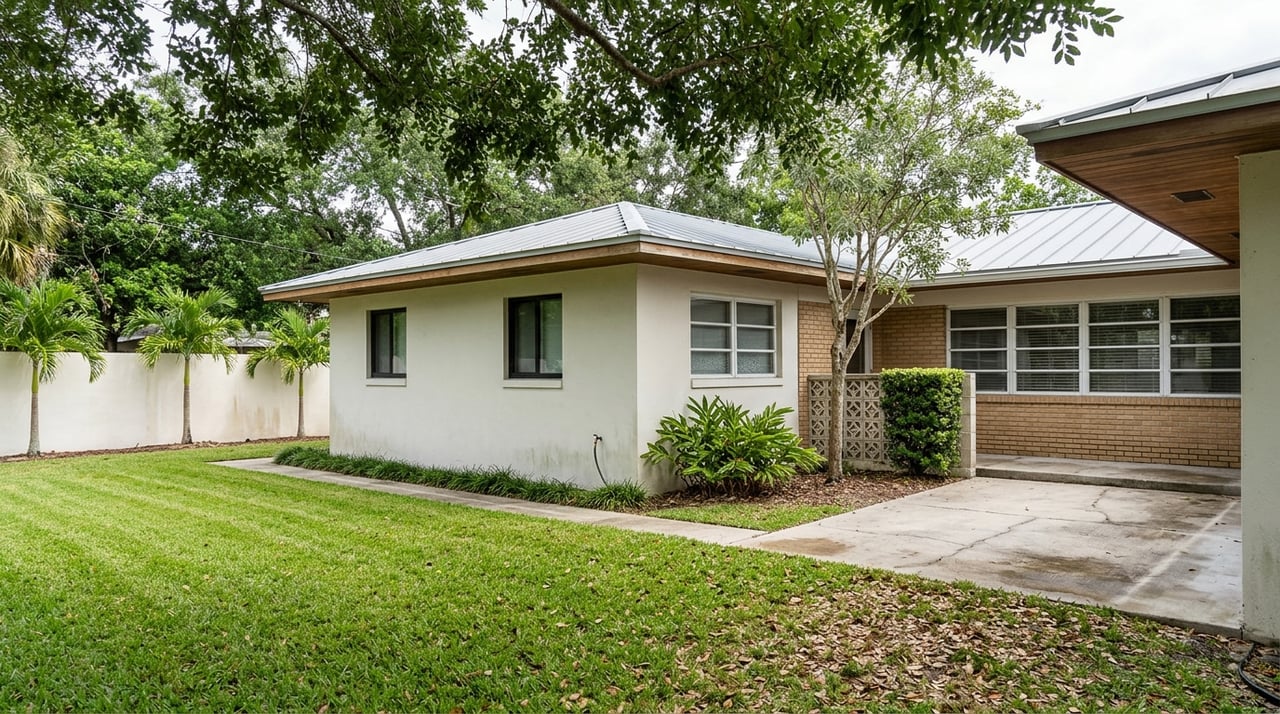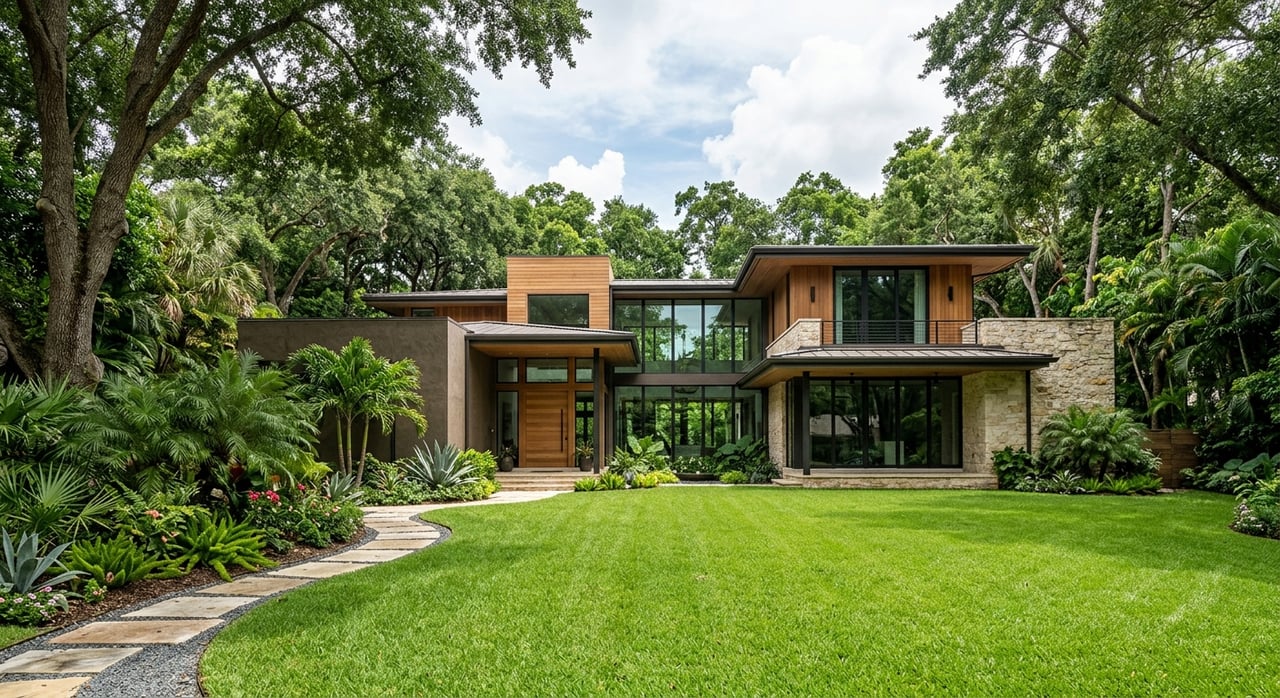
Trying to choose between Pinecrest and South Miami homes? You are not alone. These neighboring communities in South Miami-Dade can look similar on a map, but they often serve very different goals, budgets, and lifestyles. If you are weighing space, walkability, price, or housing style, this guide will help you compare the two with more confidence. Let’s dive in.
Pinecrest vs. South Miami at a glance
Pinecrest and South Miami sit close to each other, but their overall feel is different. Pinecrest is a larger, lower-density village known for tree-lined streets, large estate lots, and a mostly residential layout. South Miami is smaller, denser, and more mixed-use, with a more active town-center pattern.
That difference shows up clearly in the numbers. Pinecrest has 18,388 residents across about 8 square miles, while South Miami has 12,026 residents across about 2.5 square miles. Census data also shows Pinecrest at 2,467.9 people per square mile compared with 5,304.8 in South Miami.
| Feature | Pinecrest | South Miami |
|---|---|---|
| Population | 18,388 | 12,026 |
| Approximate size | 8 sq. mi. | 2.5 sq. mi. |
| Population density | 2,467.9/sq. mi. | 5,304.8/sq. mi. |
| Median home value | $1,406,400 | $829,400 |
| Owner-occupied homes | 82.8% | 60.2% |
Pinecrest homes: space and a residential feel
If you picture larger yards, more distance between homes, and a more suburban setting, Pinecrest likely matches that vision. Village planning materials point to estate-scale single-family development, and Pinecrest’s history notes that much of the area grew around ranch-style homes on acre lots.
In practical terms, that usually means more land and a stronger single-family identity. Official planning documents also reference Residential Estate zoning and single-family lots such as 8,250-square-foot parcels in some areas. For buyers who prioritize privacy and room to spread out, Pinecrest often stands out.
What Pinecrest tends to offer buyers
Pinecrest may be a strong fit if you want:
- Larger lots
- More separation between homes
- A mostly single-family housing pattern
- Tree-lined streets and a quieter residential setting
- A more car-oriented daily routine
This does not mean every home is the same, but the village’s overall development pattern points in that direction. If your wish list starts with land and a lower-density environment, Pinecrest is often the clearer match.
South Miami homes: variety and convenience
South Miami offers a different type of appeal. City materials describe a vibrant town center east of US1, and the Hometown District highlights Sunset Drive as a walkable main street with outdoor dining and community events.
The housing stock also shows more variety. Historic-preservation documents describe Cambridge Lawns as a historic district with about 30 homes in Tudor Revival and Mediterranean Revival styles, while the city’s comprehensive plan supports transit-oriented development near the South Miami Metrorail station and allows townhouse and mixed-use patterns in certain districts.
What South Miami tends to offer buyers
South Miami may be a better fit if you want:
- A more compact setting
- Easier access to shops and restaurants
- More housing variety
- Older homes with architectural character
- Better regional transit access
The city’s zoning map also references RS-4 areas with 6,000-square-foot minimum lots, which helps explain why lot sizes often feel smaller than in Pinecrest. If your priority is convenience and a more connected town-center experience, South Miami usually checks more boxes.
Comparing lot sizes and home styles
For many buyers, this is the biggest deciding factor. Pinecrest is generally the better shorthand for bigger lots and a more estate-style residential pattern. South Miami usually offers a broader mix of housing types, smaller lots in many areas, and more variation from block to block.
Pinecrest’s history is closely tied to postwar ranch-style homes on acre lots, while South Miami includes historic homes as well as areas shaped by mixed-use and transit-oriented planning. If you want a home where the land itself is a major part of the value, Pinecrest tends to lead. If you want more architectural variety and a less uniform streetscape, South Miami may feel more appealing.
Walkability and getting around
Your daily routine matters as much as the house itself. If you prefer to drive for most errands and value a quieter residential pattern, Pinecrest may feel more comfortable. The village notes that it began with limited infrastructure and few sidewalks, which aligns with its lower-density, car-oriented layout.
South Miami, on the other hand, is generally the more walkable and transit-friendly choice. Official city materials emphasize the town center and Sunset Drive as a walkable main street, and the city sits on the Metrorail line that connects Kendall, South Miami, Coral Gables, and downtown Miami.
Choose based on your routine
Think about how you want a typical week to feel:
- If you want more residential separation and do not mind driving, Pinecrest may suit you better.
- If you want easier access to dining, errands, and rail transit, South Miami may be the stronger option.
This is one of those tradeoffs that can shape your satisfaction long after closing day. The right answer depends less on what sounds impressive and more on how you actually live.
Budget differences between Pinecrest and South Miami
Price is another major separator. Census data shows Pinecrest with a median owner-occupied home value of $1,406,400, compared with $829,400 in South Miami. That is a meaningful gap, and it often affects how buyers approach each market.
Pinecrest typically requires a larger budget on average. South Miami can still be a premium market, but the median value suggests a lower entry point than Pinecrest. If you are balancing location, lot size, and monthly carrying costs, this comparison deserves close attention early in your search.
Which area fits your goals?
There is no universal winner here. The better choice depends on what matters most to you.
Pinecrest may fit you best if you want
- More land
- A lower-density environment
- Mostly single-family homes
- A more suburban-residential feel
- A higher-end market with estate-lot character
South Miami may fit you best if you want
- A more compact city layout
- Walkability near shops and dining
- Transit access through Metrorail
- More housing variety
- A lower median home value than Pinecrest
If you are relocating, this is especially important. Two places can be only minutes apart and still deliver very different day-to-day experiences. That is exactly what happens with Pinecrest and South Miami.
A smart way to narrow your choice
Before you decide, try ranking your priorities in order. Start with lot size, budget, and daily routine. Then think about whether you want a primarily residential setting or a more mixed-use environment with a town-center feel.
From there, compare available homes through that lens instead of looking at price alone. A home in South Miami may offer more convenience, while a home in Pinecrest may offer more land and privacy. When you match the property to your lifestyle, the decision usually becomes much clearer.
Choosing between these two neighborhoods often comes down to one question: do you want more space, or more convenience? If you want help comparing current opportunities in both areas and translating market data into a practical home search, the Hidy Homes Team is here to help.
FAQs
Which area usually has bigger lots in Pinecrest or South Miami?
- Pinecrest usually has bigger lots, based on its estate-scale residential planning and history of ranch-style homes on acre lots.
Which area is more walkable for homebuyers, Pinecrest or South Miami?
- South Miami is generally more walkable because of its compact layout, Sunset Drive town-center setting, and Metrorail access.
Which area is usually more expensive, Pinecrest or South Miami?
- Pinecrest is usually more expensive, with a median owner-occupied home value of $1,406,400 compared with $829,400 in South Miami.
Which area feels more suburban, Pinecrest or South Miami?
- Pinecrest usually feels more suburban because it has lower density, larger lots, and a stronger single-family residential pattern.
Which area offers more housing variety, Pinecrest or South Miami?
- South Miami generally offers more housing variety because its planning includes historic homes, townhouses, mixed-use areas, and transit-oriented development near the Metrorail station.