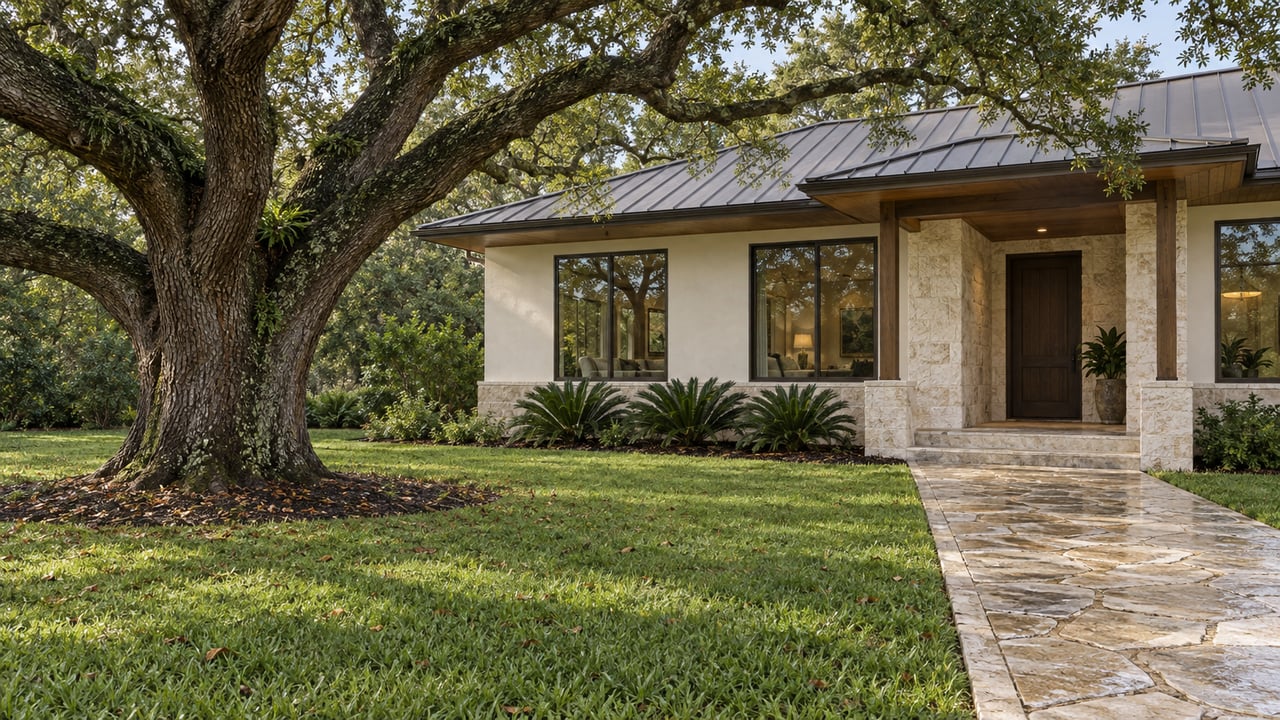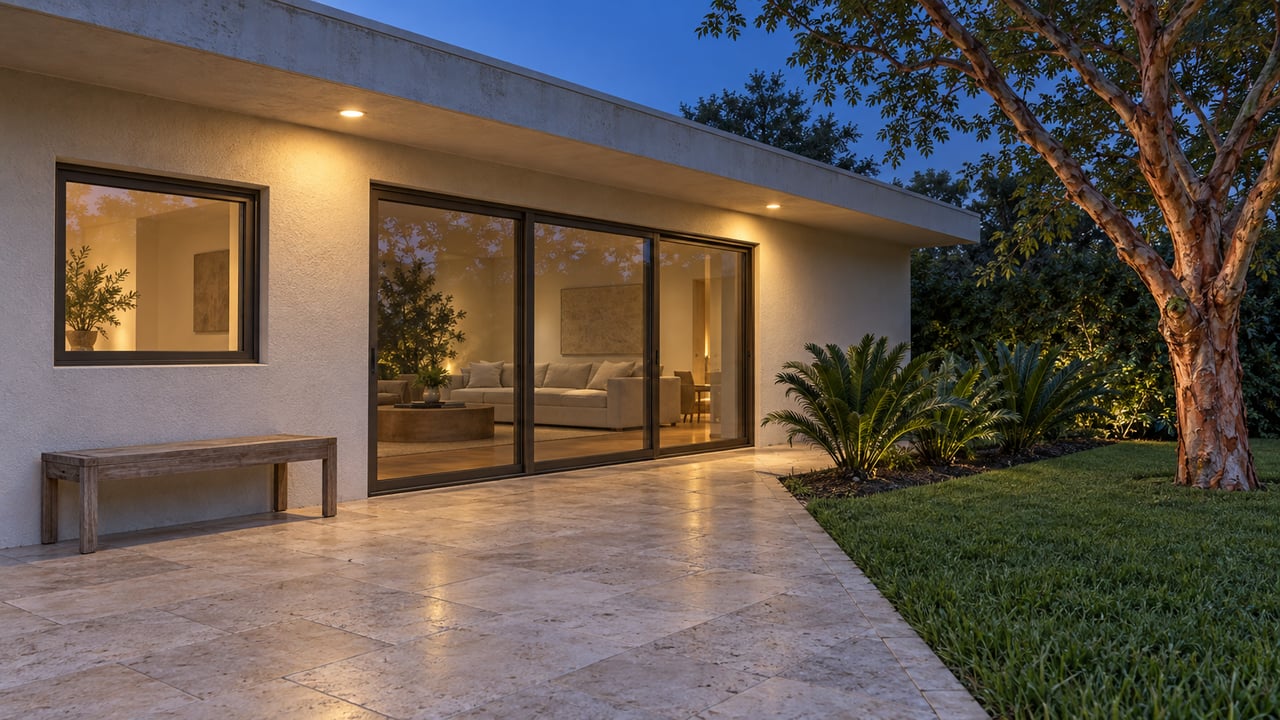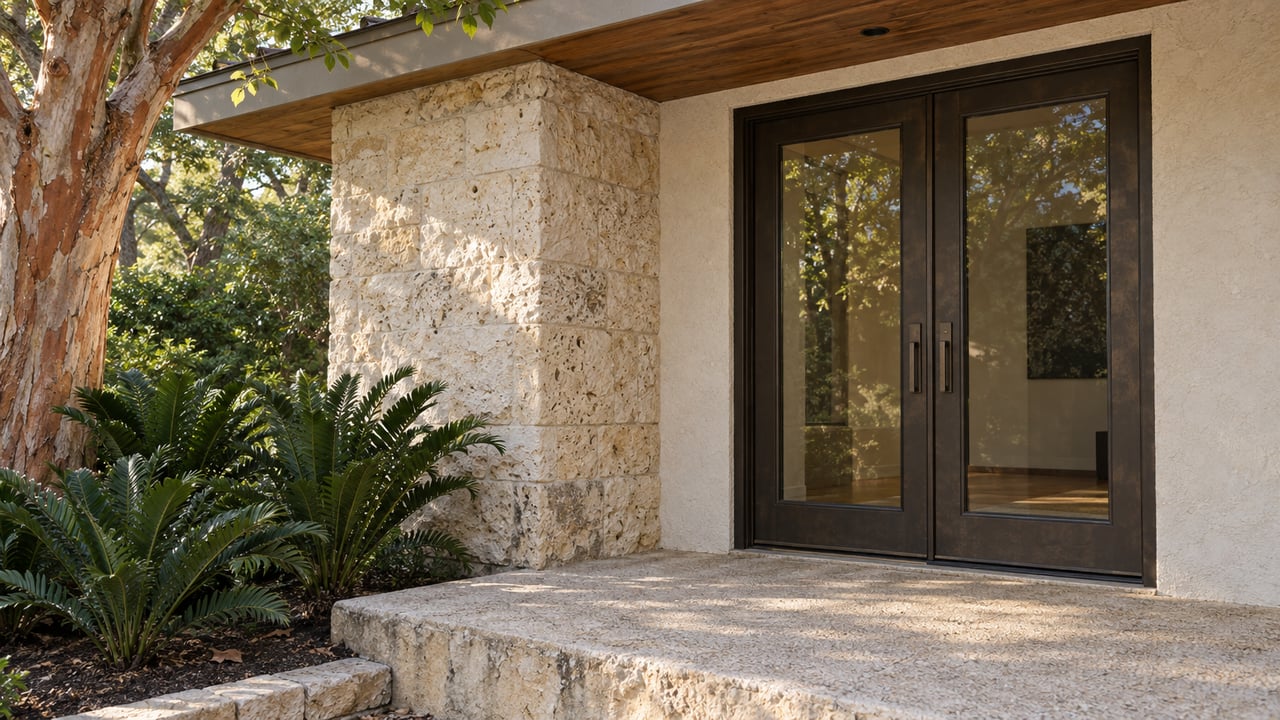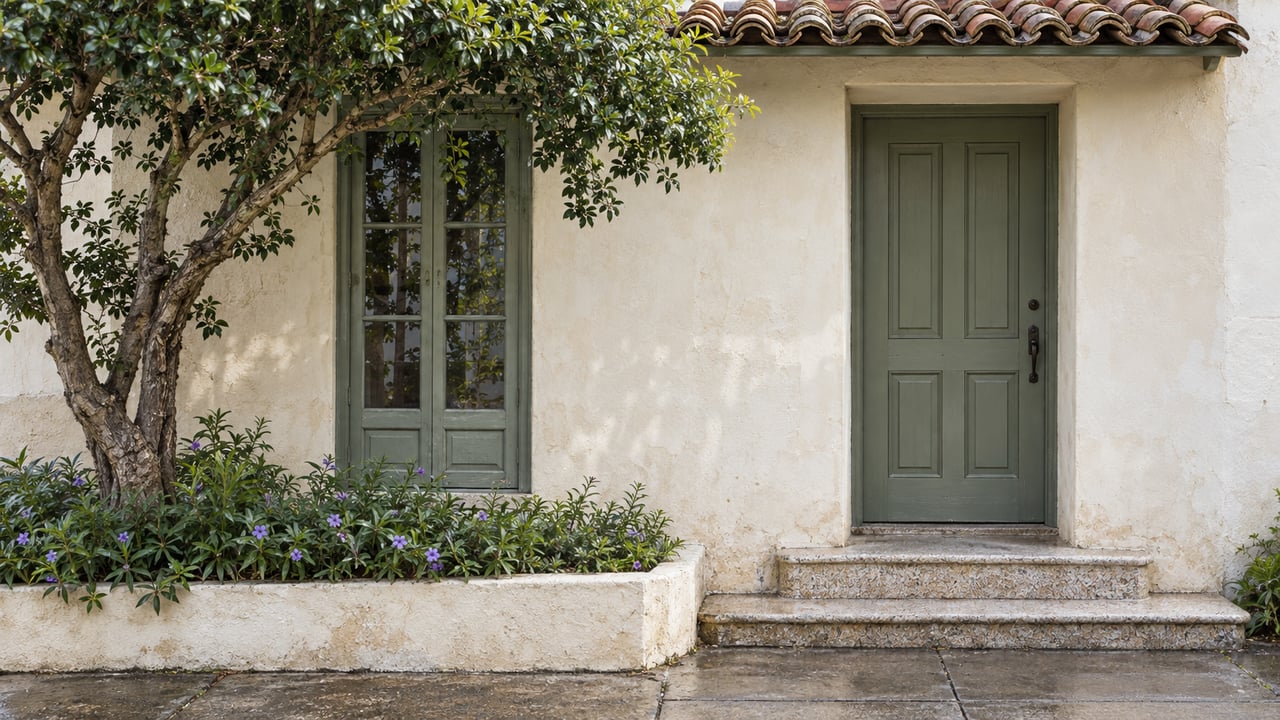
Wondering why one South Miami home comes with a wide yard and room for a pool, while another sits on a much tighter in-town lot? In a compact, built-out city like South Miami, the answer often comes down to when the home was built, what style it is, and how the lot is zoned. If you are buying or selling here, understanding those patterns can help you make smarter decisions about value, lifestyle, and future plans. Let’s dive in.
South Miami Has a Distinct Housing Mix
South Miami is a small city of about 2.3 square miles with roughly 5,000 housing units. According to Census-based data in the research, about 55.9% of the housing stock is single-family and 43.8% is multifamily, with a 60.2% owner-occupied rate. Owner-occupied homes also show a median value of $829,400, which reflects the city’s established, in-demand character.
What matters most for you is that South Miami is largely built out. This is not a market defined by large new subdivisions. Instead, it functions more like a mature infill market, where lot size, frontage, setbacks, and redevelopment potential can be just as important as the finishes inside the home.
Home Styles in South Miami
South Miami’s long history helps explain why you can see very different homes on the same drive. The city began as a railroad community called Larkins and was incorporated in 1927. That early growth, followed by postwar construction and later infill, created the varied housing mix buyers and sellers see today.
Prewar Tudor, Mediterranean, and Bungalow Homes
Some of South Miami’s oldest residential character comes from the 1920s and 1930s. The city’s Cambridge Lawns historic district is known for small Tudor and Mediterranean-style family homes from that era. Miami-Dade historic records also reference a 1926 masonry bungalow in South Miami, which aligns with the broader bungalow tradition found in South Florida.
If you are drawn to charm, these earlier homes often stand out for their architectural details and established setting. At the same time, they may come with more limits when it comes to exterior changes, additions, or demolition, especially if the property has historic significance.
Postwar Ranch and Mid-Century Homes
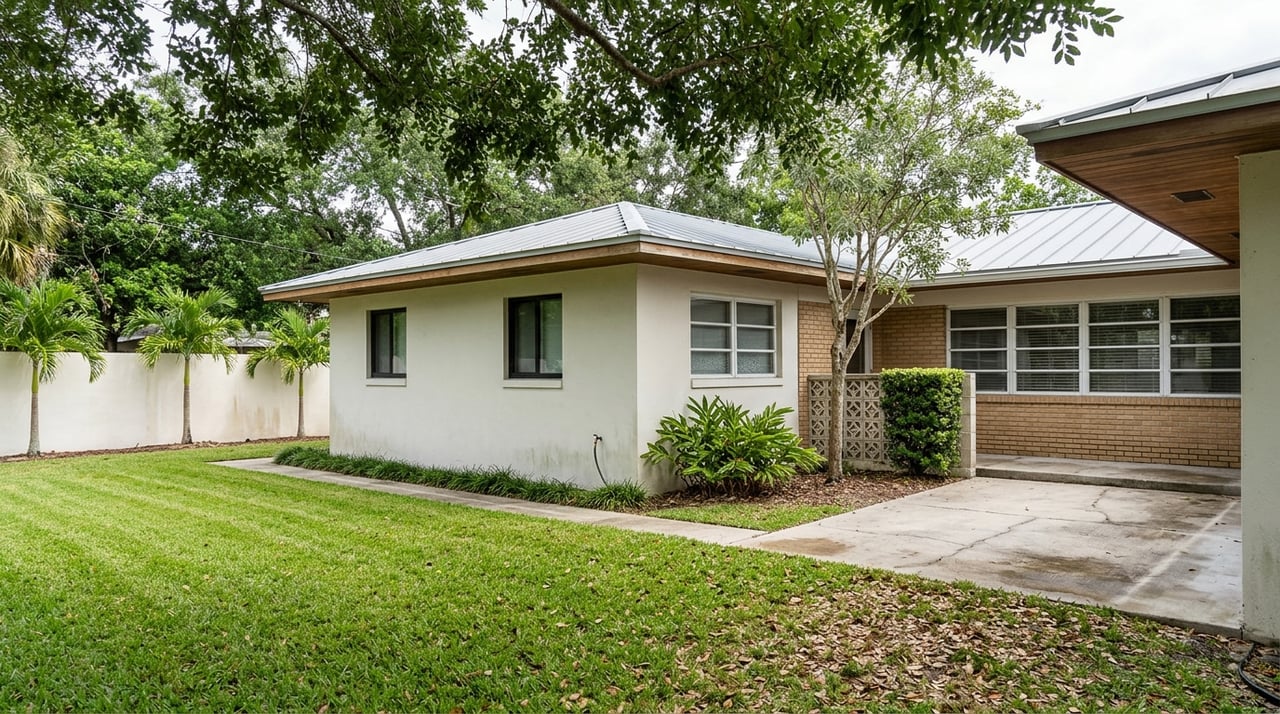
Many South Miami subdivisions were platted in the 1920s but built out more fully after World War II. In that postwar period, homes often took on simpler minimal traditional and ranch forms. Miami-Dade’s architectural history also notes climate-adapted features such as jalousie windows and concrete-block screen walls.
When buyers talk about South Miami ranch homes or updated bungalows, this is often the era they mean. These homes can offer a practical layout and a classic South Florida feel, especially when they have been thoughtfully renovated over time.
Newer Infill and Replacement Homes
New construction in South Miami usually shows up as infill rather than large-scale tract development. The city’s planning documents note that infill housing has been part of South Miami’s growth pattern for years. In practical terms, that means newer homes are often built lot by lot, replacing older houses or expanding what was already there.
For you, this creates a streetscape where older cottages, mid-century ranches, and newer larger homes may all exist side by side. That variety can be appealing, but it also makes lot analysis especially important when comparing properties.
Lot Sizes in South Miami
Lot size is one of the biggest factors shaping how a home lives in South Miami. The city’s zoning code shows a wide spread in minimum lot area and frontage across single-family districts. That range helps explain why some homes feel estate-like while others feel more compact and urban.
Common Minimum Lot Standards
For one-story single-family districts, South Miami’s zoning table includes these minimums:
| District | Minimum Lot Area | Minimum Frontage |
|---|---|---|
| RS-1 | 40,000 sf | 125 ft |
| RS-2 | 15,000 sf | 100 ft |
| RS-3 | 10,000 sf | 75 ft |
| RS-4 | 6,000 sf | 60 ft |
| RS-5 | 6,000 sf | 50 ft |
This is a big spread. A 40,000-square-foot parcel in RS-1 offers a very different set of possibilities than a 6,000-square-foot lot in RS-4 or RS-5.
Why Frontage Matters
Lot size gets attention, but frontage matters too. A wider lot can affect how a home sits on the property, how much side-yard space you have, and how flexible the site may be for outdoor features. In South Miami, frontage minimums range from 50 feet to 125 feet in these one-story single-family districts.
If you are thinking about a pool, larger patio, expanded driveway, or future addition, width may matter just as much as the total square footage. Two lots with similar area can feel very different depending on shape and frontage.
Setbacks and Coverage Shape What You Can Do
A lot’s usefulness is not determined by size alone. South Miami also regulates setbacks, building coverage, and impervious coverage. Those rules help shape how much of the site can be occupied by the house and other hard surfaces.
South Miami Setback Basics
For one-story single-family districts, front setbacks range from 25 feet to 50 feet depending on district. Rear setbacks are listed at 25 feet across the districts in the research, and interior side setbacks range from 7.5 feet to 12.5 feet.
Those dimensions can have a real effect on your options. A home may sit on a decent-sized lot, but once required open space is accounted for, the buildable area may feel much smaller than expected.
Building and Impervious Coverage
The zoning framework also limits building coverage and impervious coverage. Maximum building coverage ranges from 20% in RS-1 to 30% in the other listed districts. Maximum impervious coverage ranges from 30% to 45%.
That matters because South Miami defines impervious ground cover broadly. It includes driveways, parking areas, patios, pedestrian ways, swimming pools, and similar surfaces. So if you want substantial outdoor hardscape, a pool deck, or extensive paved entertaining areas, those features can use up site capacity faster than you might expect.
What Buyers Should Watch For
If you are shopping in South Miami, it helps to look beyond bedroom count and updated finishes. The lot can have a major effect on your day-to-day lifestyle and on what you may be able to do later.
Focus on Outdoor Goals Early
If your wish list includes a pool, covered terrace, guest space, major addition, or generous entertaining area, lot width and impervious coverage are especially important. Based on the city code, a larger RS-1 or RS-2 parcel will generally offer more flexibility than a 6,000-square-foot RS-4 or RS-5 lot, though that is not a guarantee of buildability.
This is why two homes with similar square footage can have very different long-term value to different buyers. In South Miami, outdoor-living potential can be a major part of the equation.
Check Historic Status Before Planning Changes
Older homes can carry added review considerations. South Miami’s Historic Preservation Board oversees local historic designations and site-review matters, and Cambridge Lawns is a designated historic district.
If you are considering exterior changes, visible additions, or demolition, this step is important. A charming older home may come with rules that affect how and when changes can be made.
Review Flood and Permit Requirements
Before planning exterior work, buyers should verify flood and permit considerations. The city notes that development in the floodplain requires permitting and may require an elevation certificate. Its building submittal list also includes items such as pool drawings and shed approvals.
For practical planning, this means you should confirm those requirements early. It can save time and help you budget more accurately for any future improvements.
Understand the Local Review Process
Some properties do not fit standard dimensional assumptions cleanly. In those cases, South Miami’s Planning Board reviews zoning-related applications, including variances.
That does not automatically mean a project cannot move forward. It simply means site-specific review can be part of the process, which is another reason to evaluate lot width, setbacks, and coverage early in your search.
What Sellers Can Highlight
If you are selling a home in South Miami, your property’s lot profile may be a key selling point. Buyers often respond strongly to details that help them picture how the property fits their lifestyle now and in the future.
A wider lot, deeper backyard, room for a pool, or a location outside a historic-review context may all shape buyer interest. On the other hand, if your home is an older Tudor, Mediterranean, bungalow, or ranch with architectural character, that style story can also be a major asset when presented clearly and accurately.
For many South Miami listings, the best marketing angle is not just the house itself. It is the combination of architectural style, lot dimensions, and what the site offers in a built-out city where those features are limited.
Why South Miami Feels So Varied
One of the things that makes South Miami appealing is its mix. You can find prewar cottages and historic Tudor or Mediterranean homes, postwar ranch and bungalow stock, and newer infill homes throughout the city. Lots also range from compact 50-foot-frontage parcels to much larger sites reaching 40,000 square feet in certain districts.
That variety creates opportunity, but it also makes local knowledge especially valuable. A beautiful home in South Miami is not just about the interior. It is also about how the lot functions, what the zoning allows, and how the property fits your goals.
If you are thinking about buying or selling in South Miami, working with a team that understands both home style and lot potential can make the process much clearer. The Hidy Homes Team brings a boutique, neighborhood-savvy approach to helping you evaluate what makes a property stand out and how to position it in today’s market.
FAQs
What home styles are common in South Miami?
- South Miami includes prewar Tudor, Mediterranean, and bungalow homes, along with postwar ranch and minimal traditional homes and newer infill or replacement homes.
What lot sizes are common for single-family homes in South Miami?
- Based on the city’s zoning code, minimum lot sizes in one-story single-family districts range from 6,000 square feet to 40,000 square feet, depending on zoning district.
Why does lot frontage matter for South Miami homes?
- Lot frontage affects how wide the usable site is and can influence side-yard space, driveway layout, outdoor living options, and overall flexibility for future improvements.
What should South Miami buyers check before adding a pool or patio?
- Buyers should review zoning setbacks, building coverage, impervious coverage, and any permit or floodplain requirements before planning a pool, patio, or other exterior work.
Are there historic homes or historic districts in South Miami?
- Yes. South Miami includes historically significant homes, and Cambridge Lawns is a designated historic district overseen through the city’s preservation review process.
Can newer homes in South Miami be built on older lots?
- Yes. In South Miami, newer homes often appear as infill or replacement homes built lot by lot rather than through large new subdivision development.